Amaebi (Sweet Shrimp): What It Is, How to Prepare & Eat It, and Sashimi Recipe

on Feb 03, 2023, Updated Feb 24, 2026
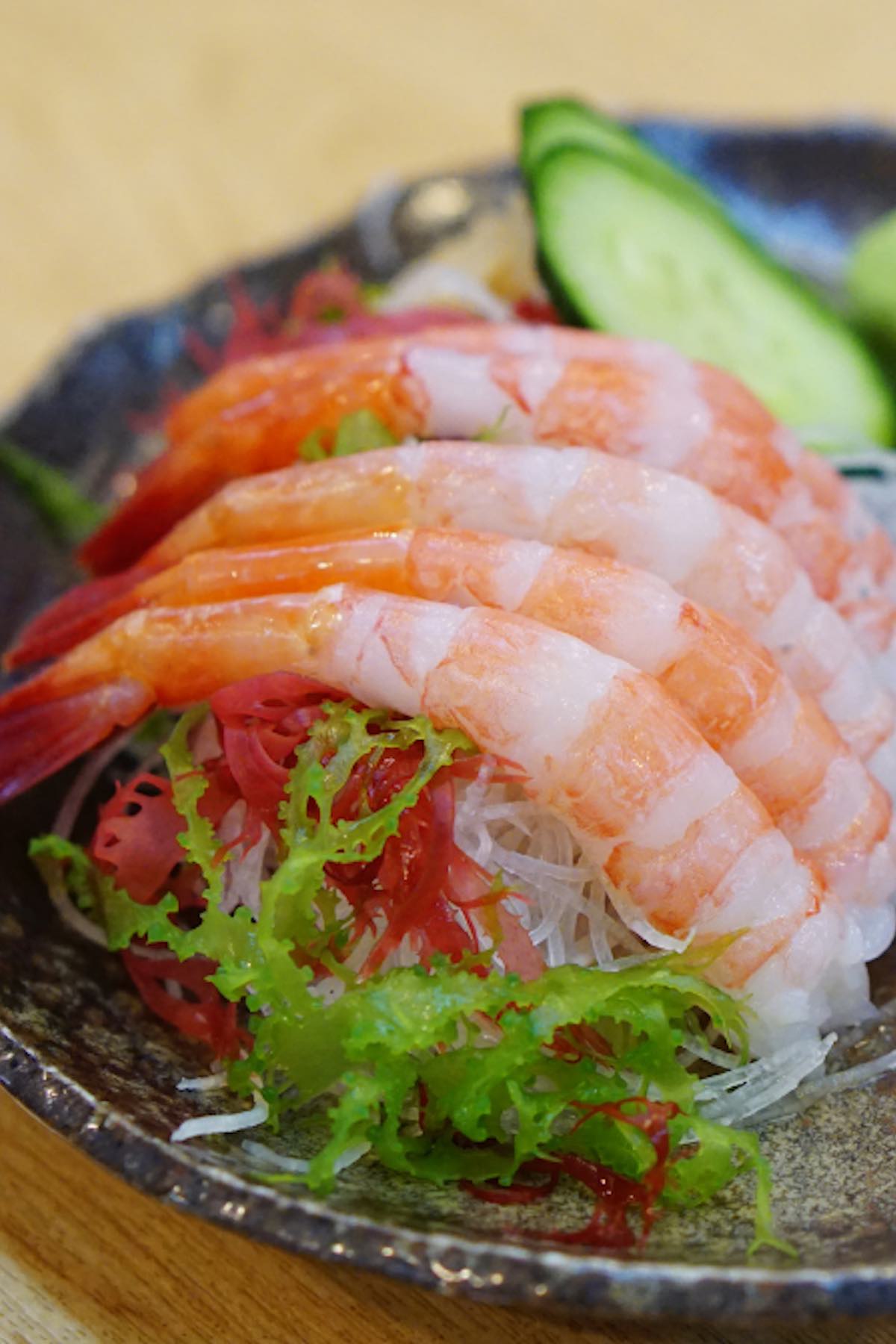
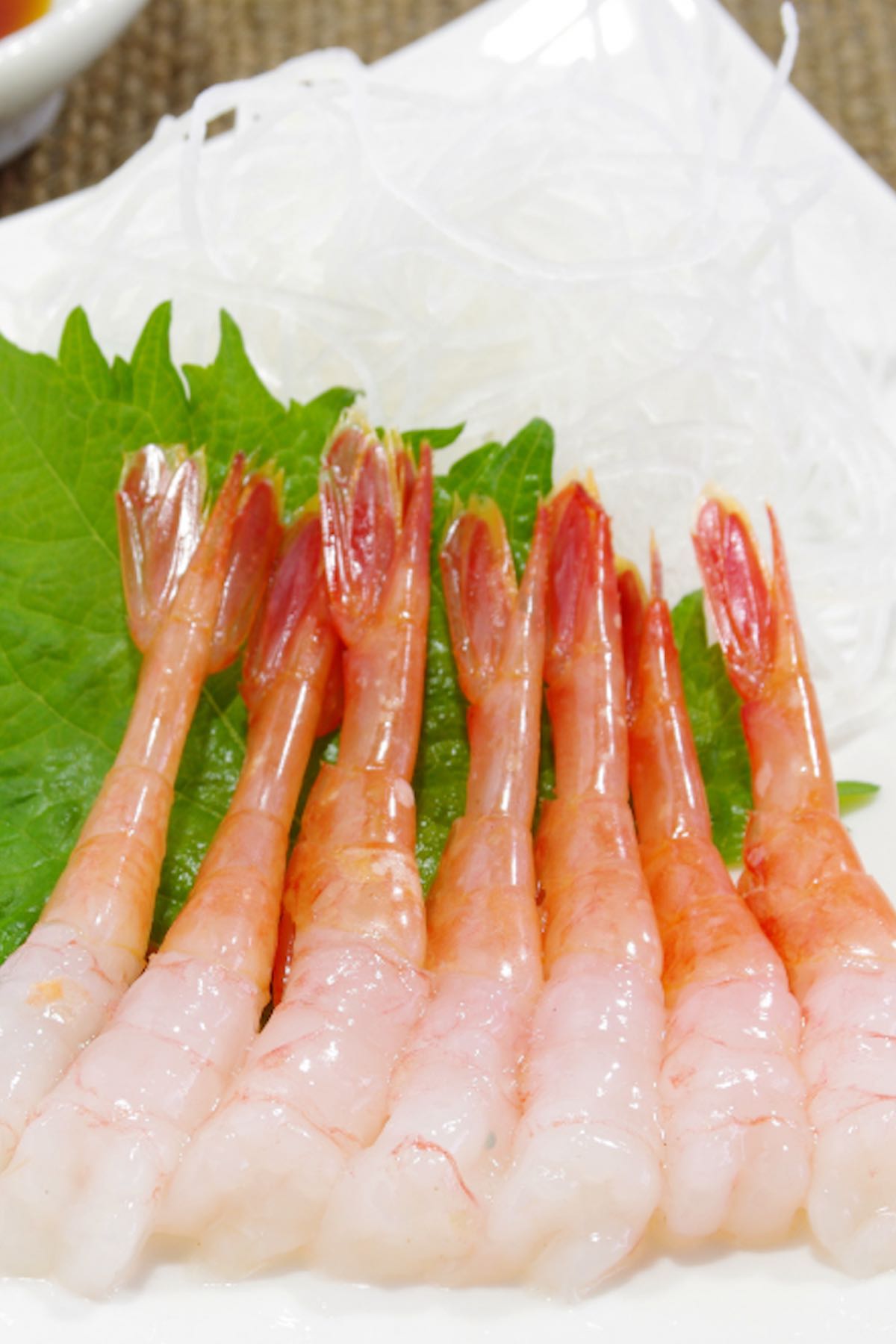
The first time I ordered amaebi at a Japanese restaurant, the menu description said “sweet shrimp sashimi.” I wasn’t prepared for what arrived: five translucent, glistening shrimp, arranged raw on a plate next to their deep-fried heads—crunchy on the outside, melt-on-your-tongue on the inside. Amaebi is one of those rare sashimi experiences where the sweetness hits you before you’ve even finished chewing.
Amaebi (甘海老) means “sweet shrimp” in Japanese—and that name is perfectly accurate. It’s one of the most prized pieces at high-end sushi counters, partly because of its delicate, naturally sweet flavor, and partly because serving it raw requires freshness you can’t fake. If you’ve never had it, this post will walk you through what amaebi actually is, what it tastes like, how to prepare it correctly, where to buy it, and how to eat it the way Japanese chefs intended.
What Is Amaebi?
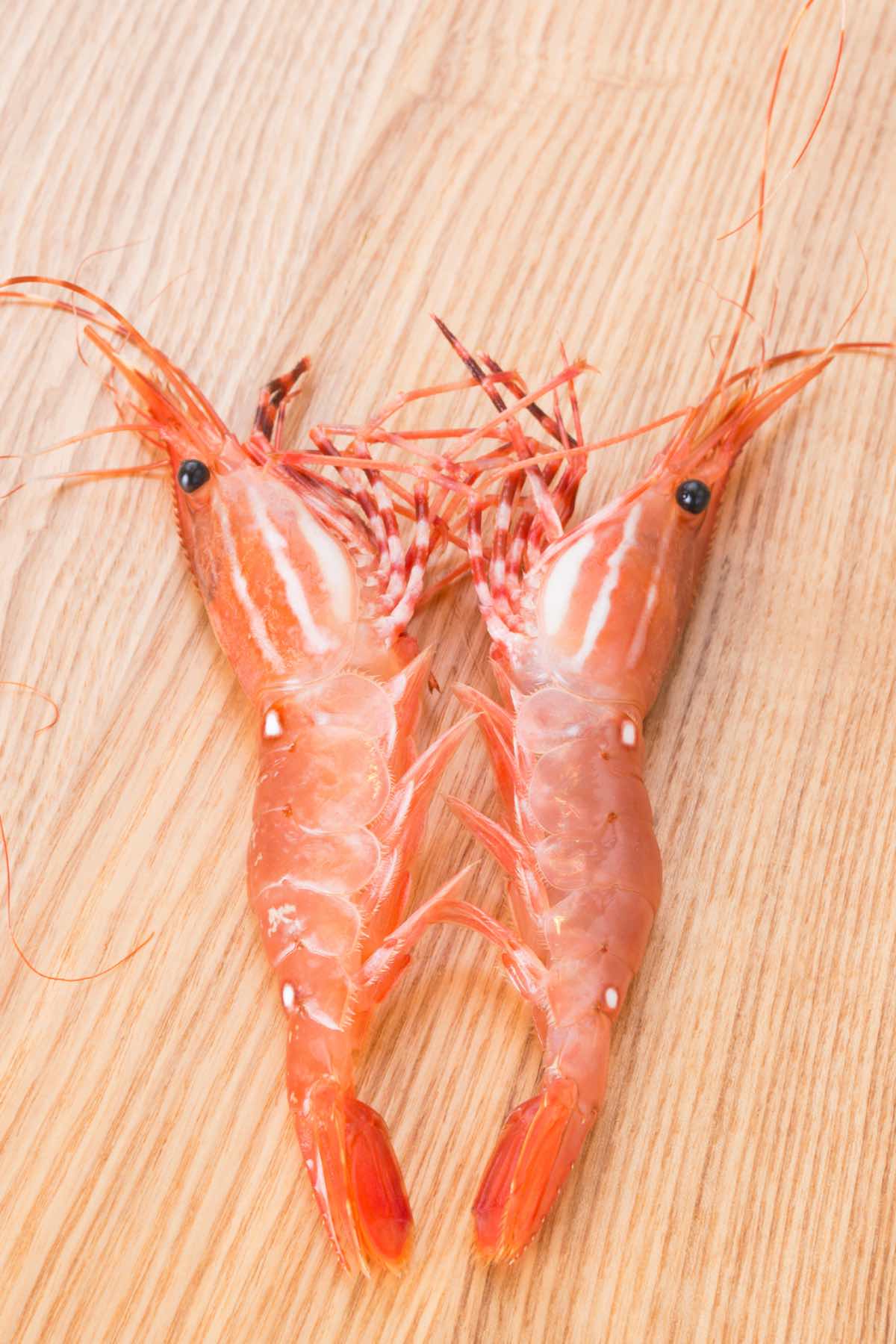
Amaebi (甘海老, pronounced “ah-MAY-bee”) is the Japanese name for northern spot prawns (Pandalus borealis), a cold-water shrimp species found in the deep, frigid waters of the North Pacific, North Atlantic, and Sea of Japan. They range from about 4 to 6 inches in length and are recognizable by their bright pink-red shell and translucent, pale orange-pink flesh.
What makes amaebi special is the combination of their natural sweetness—from amino acids that develop in cold water—and their availability as a raw sashimi ingredient. Most shrimp must be cooked; amaebi are fresh enough to eat raw. In Japanese cuisine, serving amaebi raw is the gold standard, and sushi chefs take pride in sourcing specimens fresh enough to present this way. When you see amaebi on a sushi menu, you’re being offered one of the finest raw shellfish experiences available.
Amaebi are naturally hermaphroditic—they’re born male, then transition to female as they mature (around 4–5 years old). The females are considered more flavorful and larger, and are the ones most prized at sushi counters.
Amaebi vs Regular Shrimp: What’s the Difference?
- Flavor: Amaebi are far sweeter than regular shrimp. Their cold-water habitat causes them to accumulate glycine, an amino acid that creates the characteristic sweetness. Regular cooked shrimp (tiger prawns, vannamei) are savory and mild by comparison.
- Texture: Raw amaebi have a silky, almost custard-like texture. Cooked shrimp are firm and bouncy. The raw experience is unique—it’s one of the few times a shrimp’s true flavor character is on full display.
- Temperature: Amaebi are best served raw and cold. Regular shrimp are almost always cooked. The preparation methods are completely different.
- Price: Amaebi are premium. Expect to pay $20–$40+ per pound for sushi-grade fresh amaebi. Regular shrimp are far more affordable.
- Availability: Regular shrimp are in every supermarket. Amaebi require Japanese specialty grocers or high-end seafood retailers.
What Does Amaebi Taste Like?
The name says it all: sweet. Amaebi has a natural sweetness that’s remarkably clean—not sugary like candy, but a gentle, oceanic sweetness that’s almost floral. The texture raw is silky and smooth, with a light, yielding firmness. There’s no fishiness, no brine overload, no off-flavors—just pure, sweet shellfish with an umami depth that lingers pleasantly.
If you’ve had good-quality cooked shrimp or scallop sashimi, amaebi fits in that flavor family but is more refined and sweeter. The closest comparisons are fresh scallop sashimi (similar sweetness, similar silkiness) and botan ebi (its close cousin, which is larger and slightly richer). Amaebi’s flavor is delicate enough that you want very little sauce—a tiny amount of soy sauce with wasabi is all you need to amplify, not overpower.
How to Prepare Amaebi: Step-by-Step
The preparation is simple but requires care. Because you’re eating this raw, cleanliness and freshness are everything.
Amaebi Sweet Shrimp Sashimi Recipe
Instructions
Prepare Amaebi:
- Defrost your shrimp beforehand if they’re frozen.
- Grab the body with one hand and pinch the head between the thumb and index finger of the other hand.
- Twist the body of the shrimp to remove the head. Then gently remove the shell around the body, leaving the last piece of the shell connected to the tail. The tail is usually left as the beautiful decoration.
- Rinse the shrimp thoroughly. Cut open the body from the back (or belly side), but don’t cut it through to the other side. Remove the entrails.
Make Amaebi Sashimi:
- Prepare a bowl of hot water and iced water.
- Dip the prepared amaebi shrimp into the hot water for a few seconds.
- Then place the shrimp into the iced water immediately.
- Pat them dry with paper towels.
- Arrange them on a plate. (Optional: You can deep fry the head and place it next to the amaebi as a decoration).
Nutrition
Nutrition information provided is an estimate only and will vary based on ingredient brands and cooking methods used.
This post may contain affiliate links. Please read my disclosure policy.
- Rinse gently. If your amaebi are frozen, thaw them slowly in the refrigerator overnight. Once thawed (or if fresh), rinse them under very cold running water and pat dry with paper towels. Don’t soak them—you want to preserve the delicate texture.
- Remove the head. Twist gently to separate the head from the body. Set the heads aside—you’ll fry these as a separate snack. This is a key part of the amaebi experience.
- Peel the shell. Starting from the underside, peel back the shell from the body. Leave the tail on or remove it—your preference. The flesh should look translucent, pale orange-pink.
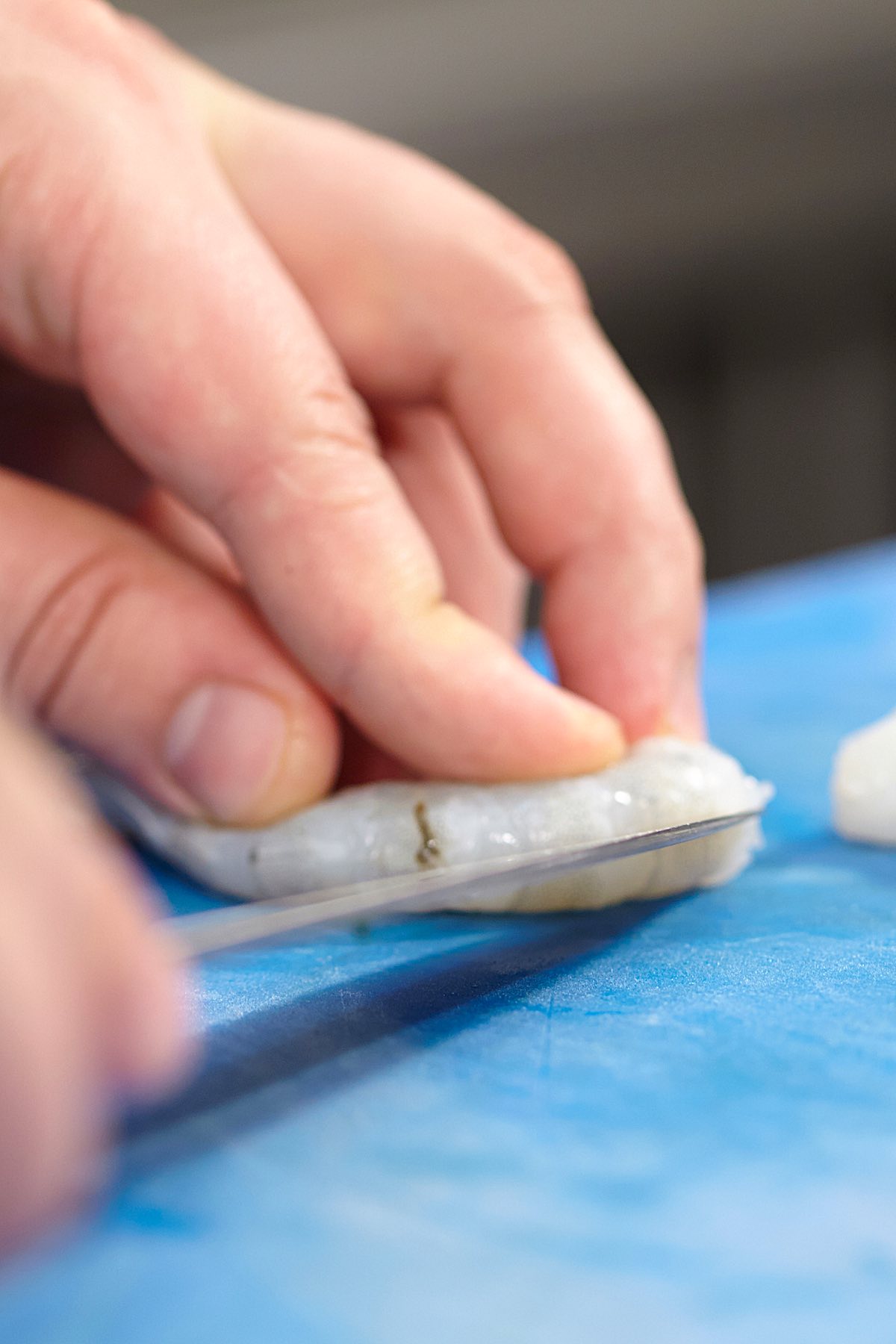
- Devein. Use a small sharp knife or toothpick to remove the dark vein along the back. For raw preparation, this step is important—it improves presentation and avoids any off-flavors.
- Arrange immediately. Place the peeled shrimp directly on a chilled plate. Serve within minutes. Raw amaebi doesn’t hold well once peeled—it should be eaten immediately for best flavor and food safety.
- Fry the heads (ebi no atama). Heat oil to 170–180°C (340–360°F). Dust the heads lightly in cornstarch or rice flour, then deep-fry for 2–3 minutes until golden and crispy. They’re ready when the shells become light and crunchy. Drain on paper towels, season with a little sea salt, and serve alongside the sashimi.
How to Eat Amaebi Sashimi
Amaebi is most commonly served as sashimi or nigiri. Here’s how to get the full experience:
- Use minimal sauce. A tiny dip in soy sauce—just enough to coat the very bottom of the piece—is ideal. Too much soy sauce overwhelms the delicate sweetness. Wasabi is optional.
- Eat it cold. The texture and flavor are best when cold. Don’t let it sit at room temperature for more than a few minutes.
- Eat the whole piece in one or two bites. This is not a food to nibble. The sweetness is most apparent when you taste the whole piece at once.
- Don’t skip the head. The fried amaebi head (ebi no atama) is a delicacy in itself. It’s crunchy, slightly briny, and a complete contrast to the soft sashimi. Eat it separately as a palate cleanser between bites of sashimi.
- Pairing: Amaebi pairs beautifully with a cold, dry sake (especially junmai daiginjo) or a crisp, dry white wine (Chablis, Muscadet). The minerality of the wine and the sweetness of the shrimp complement each other perfectly.
Amaebi Sushi vs Sashimi: What’s the Difference?
Amaebi sashimi is just the raw shrimp, sliced and presented on a plate without rice. You control your own soy sauce and wasabi.
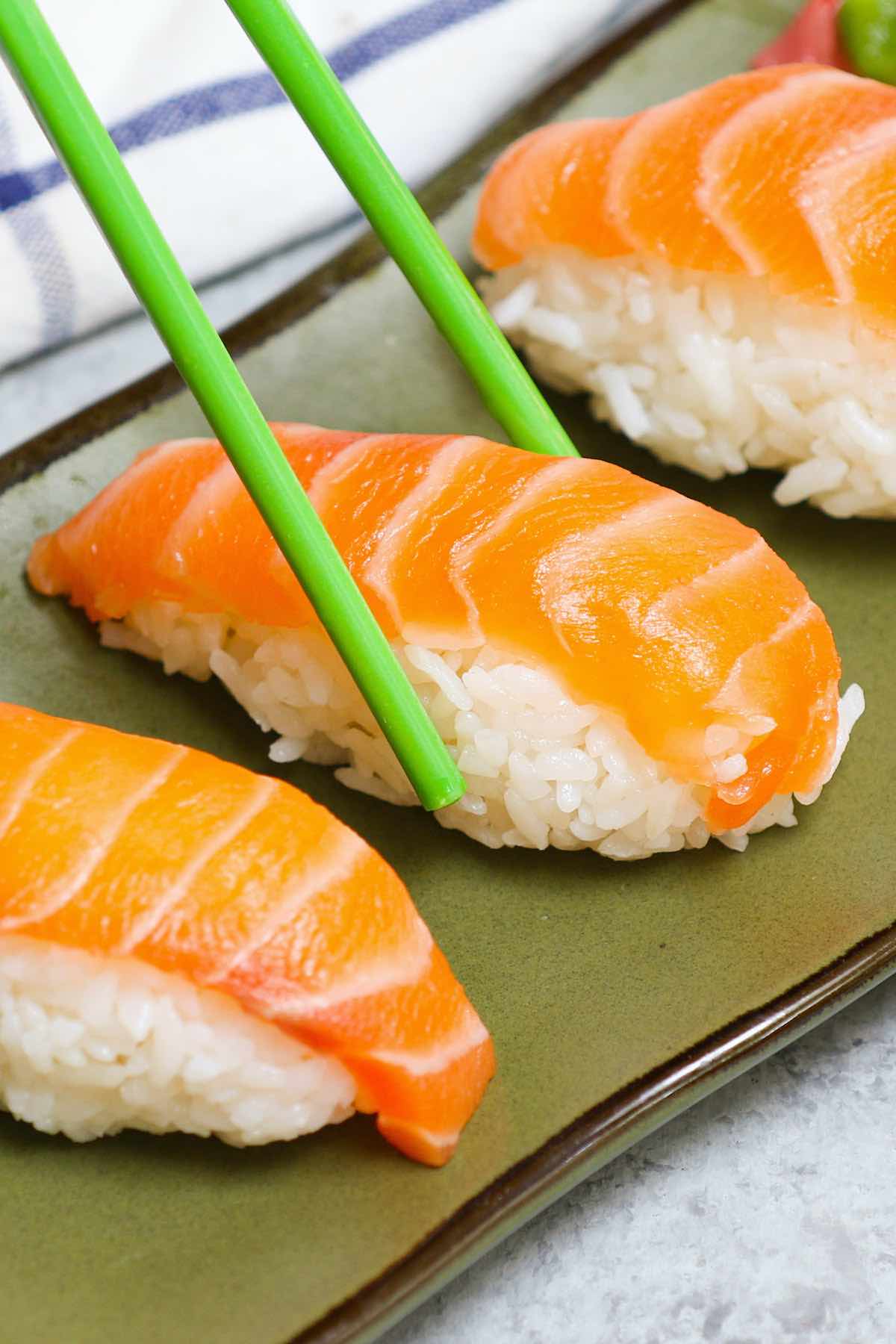
Amaebi nigiri sushi is the raw shrimp draped over a compact oval of seasoned sushi rice. The rice has been lightly seasoned with sushi vinegar, so it brings a slight tanginess that plays beautifully against the shrimp’s sweetness. At a sushi counter, this is the classic presentation, and it’s how most people first encounter amaebi.
Both are excellent. Nigiri is slightly more complete as an experience (the rice adds context and grounding), while sashimi lets the pure amaebi flavor speak for itself. If you’re making it at home, sashimi is easier and equally delicious.
The Amaebi Head: Ebi no Atama
This is the part that surprises most first-timers. Amaebi heads aren’t discarded—they’re fried and served as a side dish alongside the sashimi. This technique is called ebi no atama (えびの頭, “shrimp head”).
The heads are lightly coated in cornstarch or rice flour and deep-fried until crispy. The result is extraordinary: the shell becomes light and crunchy, the inside is rich and slightly sweet, and the whole thing dissolves on your tongue. Seasoned with sea salt and eaten immediately, it’s one of the more memorable bites in Japanese cuisine. Don’t skip this step—it’s part of the full amaebi experience and a perfect use of the whole ingredient.
Where to Buy Amaebi
Amaebi is a specialty ingredient, but it’s becoming more available:
- Japanese grocery stores: Your best source for fresh or properly frozen amaebi. Stores like Mitsuwa, H Mart, and local Japanese markets sometimes carry it, especially in coastal cities.
- High-end fish markets and seafood counters: Specialty seafood shops in major cities often stock sushi-grade amaebi, especially in winter and spring when cold-water spot prawns are in season.
- Online seafood retailers: Several specialty suppliers ship frozen sushi-grade amaebi: Catalina Offshore Products, Regalis Foods, and Asian grocery delivery services like Weee! or Yamibuy. Look for “spot prawns” or “amaebi” and confirm they’re sushi-grade.
- Whole Foods and specialty grocers: Some locations carry live spot prawns seasonally (Pacific Northwest coast, May–October). These are premium and should be used same-day.
Price note: Expect $25–$45 per pound for fresh or quality-frozen sushi-grade amaebi. A serving is usually 4–6 pieces, so one pound serves 3–4 people. It’s a special-occasion ingredient—and worth it.
How to Store Amaebi
- Fresh amaebi: Use within 1 day of purchase. Store in the coldest part of your refrigerator in their original packaging. Don’t expose to ice (the meltwater damages texture). Prepare and eat the same day you buy.
- Frozen amaebi: Store at 0°F (-18°C) or below for up to 3 months. Keep in airtight packaging to prevent freezer burn. Thaw in the refrigerator overnight—never at room temperature, never in warm water.
- Prepared sashimi: Eat immediately. Do not refrigerate prepared amaebi sashimi for later—the texture deteriorates quickly and the flavor dulls.
Variations: Different Ways to Serve Amaebi
- Amaebi Nigiri: Place one peeled raw amaebi over a pressed sushi rice ball. Add a tiny smear of wasabi between the shrimp and rice. Dip lightly in soy sauce and eat in one bite.
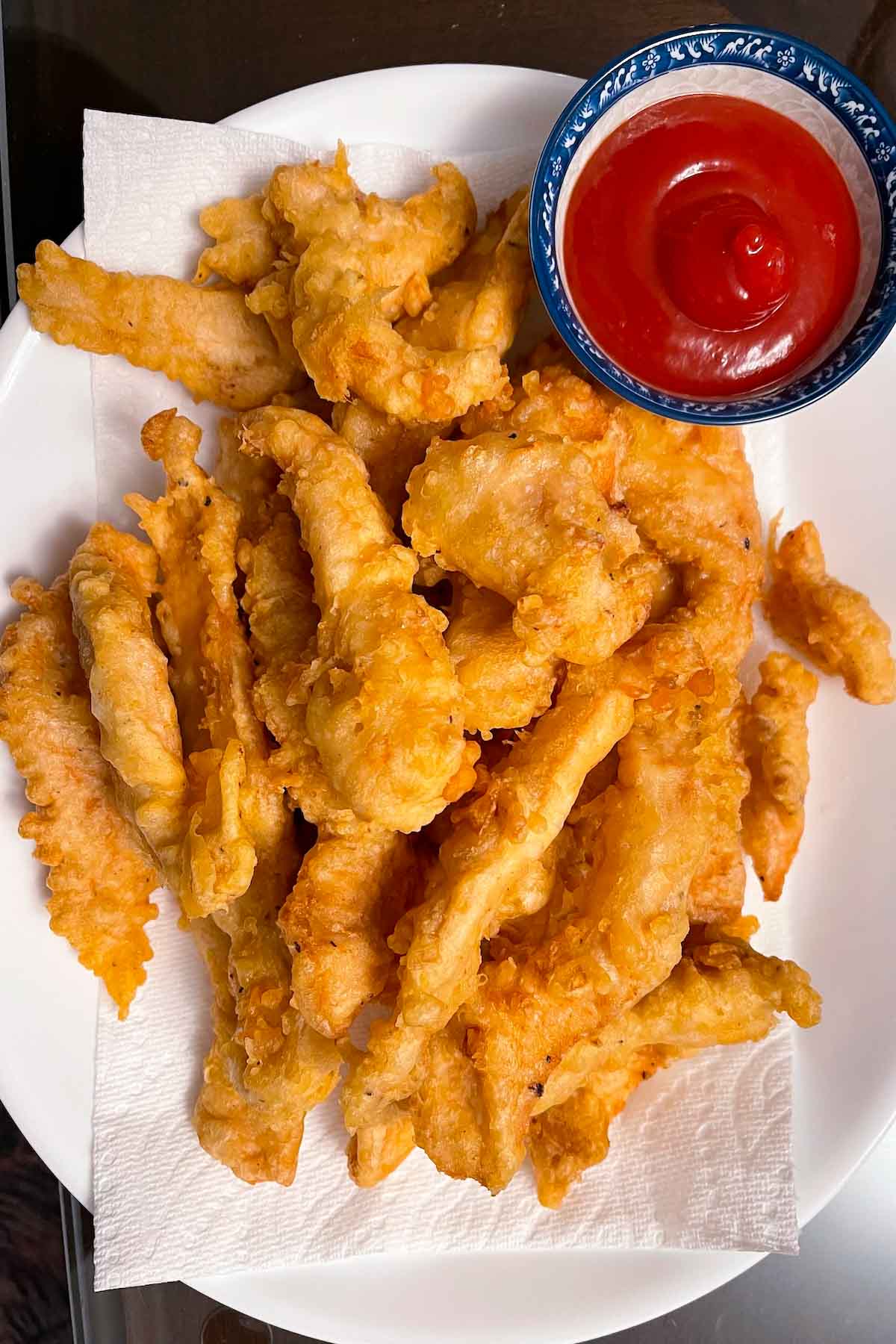
- Amaebi Tempura: Batter and fry the whole body (not raw) for a classic tempura presentation. This is less traditional than the raw preparation, but it’s a delicious alternative if you’re uncomfortable eating raw shrimp. Serve with tentsuyu (tempura dipping sauce).
- Amaebi Carpaccio (Western Fusion): Arrange sliced raw amaebi on a plate, drizzle with yuzu juice, a tiny amount of olive oil, and sea salt. Add microgreens. Clean, elegant, and showcases the sweetness.
- Amaebi Donburi: Serve sliced raw amaebi over a bowl of hot sushi rice with soy sauce, wasabi, and a sprinkle of sesame seeds. The warm rice gently warms the shrimp as you eat.
Izzy’s Tips
- Freshness is non-negotiable. Unlike cooked shrimp, where a day-old piece is just fine, raw amaebi deteriorates quickly once thawed or peeled. Buy it the day you plan to serve it. If you’re unsure about freshness, don’t serve it raw.
- Serve immediately after peeling. Once you remove the shell, the texture begins to change. Have your plate ready, your sauce poured, and serve within 5 minutes of peeling.
- Keep everything very cold. Chill your serving plate in the refrigerator for 15 minutes before plating. The contrast of the cold plate and the amaebi keeps the texture optimal longer.
- Don’t skip the fried head. The ebi no atama is as much a part of this dish as the sashimi itself. Fry it immediately while the sashimi is being plated so everything comes out at the same time.
- Use a very sharp knife for devein. A dull knife drags and tears the delicate flesh. If you don’t have a sharp fish knife, a very sharp paring knife works fine.
Frequently Asked Questions
Is amaebi safe to eat raw?
Yes, when purchased sushi-grade and eaten fresh. “Sushi-grade” indicates that the shrimp has been processed under sanitary conditions specifically to be eaten raw, and has often been flash-frozen to eliminate parasites. Buy from a reputable Japanese grocer or specialty seafood supplier, use it the day you buy, and keep it refrigerated until serving.
What’s the difference between amaebi and botan ebi?
Both are sweet, cold-water prawns served raw in Japanese cuisine. Botan ebi (Pandalus hypsinotus) is larger—often served as one large piece of nigiri—and richer in flavor. Amaebi is smaller and more delicate in flavor, typically served 3–5 pieces per nigiri order. Both are excellent; botan ebi is considered the premium option when available.
Can I cook amaebi instead of eating it raw?
You can, but you’ll lose much of what makes amaebi special. Cooking removes the delicate sweetness and silky texture that define the ingredient. If you’re uncomfortable with raw seafood, amaebi tempura is the best compromise—frying the whole body creates a sweet, crispy result that still showcases the shrimp’s unique flavor.
What does amaebi taste like?
Sweet, silky, and clean with a subtle oceanic umami. The sweetness is the defining characteristic—more pronounced than any cooked shrimp you’ve had. The raw texture is smooth and tender, almost custard-like. It’s one of the most approachable raw seafood experiences because there’s no strong fishiness or brine overload.