Creamy Togarashi Sauce: Homemade Recipe with Mayo and Sriracha

on Jan 27, 2021, Updated Feb 21, 2026
I make togarashi sauce at home constantly — it’s become my go-to condiment for sushi nights, poke bowls, and even grilled fish. The creamy, spicy-sweet sauce hits that perfect balance of heat from sriracha and crushed red pepper, balanced by just a whisper of sweetness and that toasty, umami-rich finish that only togarashi seasoning can deliver. The secret? It takes five minutes to throw together, and once I started making it myself instead of buying the jarred versions, I realized how much better homemade tastes. This creamy togarashi sauce is what I bring to dinner parties, drizzle over leftover rice, or dollop onto grilled shrimp. Unlike the traditional shichimi togarashi spice blend that sits on every Japanese table, this creamy mayo-based sauce is richer and more versatile — it clings to food, mixes into grain bowls, and tastes spectacular on literally anything that needs a spicy kick.
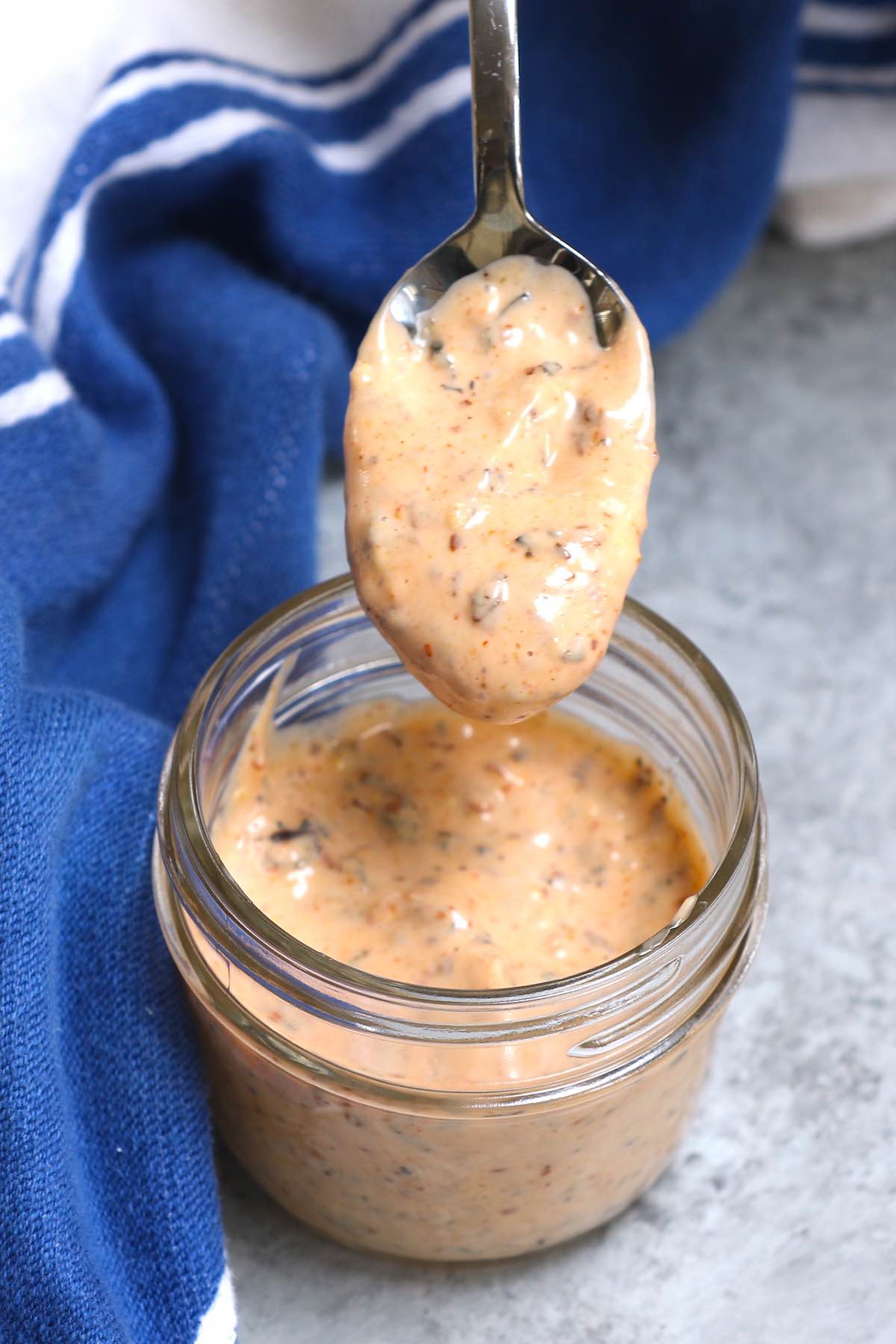
What Is Togarashi Sauce?
Togarashi, also called shichimi togarashi, is a Japanese seven-spice blend that’s been a pantry staple in Japan for generations. The name literally means “seven flavors,” and it includes red chili pepper, citrus peel, sesame seeds, seaweed, ginger, sansho pepper, and sometimes hemp or poppy seeds. It’s traditionally used as a finishing spice — shakers of it sit on tables in Japanese restaurants the same way salt and pepper do here.
This creamy togarashi sauce is the mayo-based version. By mixing mayonnaise with sriracha and then folding in homemade togarashi seasoning components (or pre-made togarashi powder, if you prefer), you create a condiment that’s thicker, creamier, and more suited to American palates than the dry spice blend alone. It’s become especially popular as a dipping sauce for sushi, poke, and grilled proteins.
What Does Togarashi Sauce Taste Like?
The flavor profile is complex. You get immediate heat from the sriracha and crushed red pepper flakes — not overwhelming, but a real kick that builds on your tongue. Under that spice, there’s a subtle sweetness from the sugar and a savory umami note from the nori and sesame. The orange zest provides a bright, citrusy finish that keeps the sauce from feeling one-dimensional. Toast those sesame seeds before adding them, and you unlock a toasty nuttiness that ties everything together. The end result is spicy, sweet, tangy, nutty, and savory all at once — which sounds like a lot, but it works beautifully.
Togarashi Sauce Ingredients
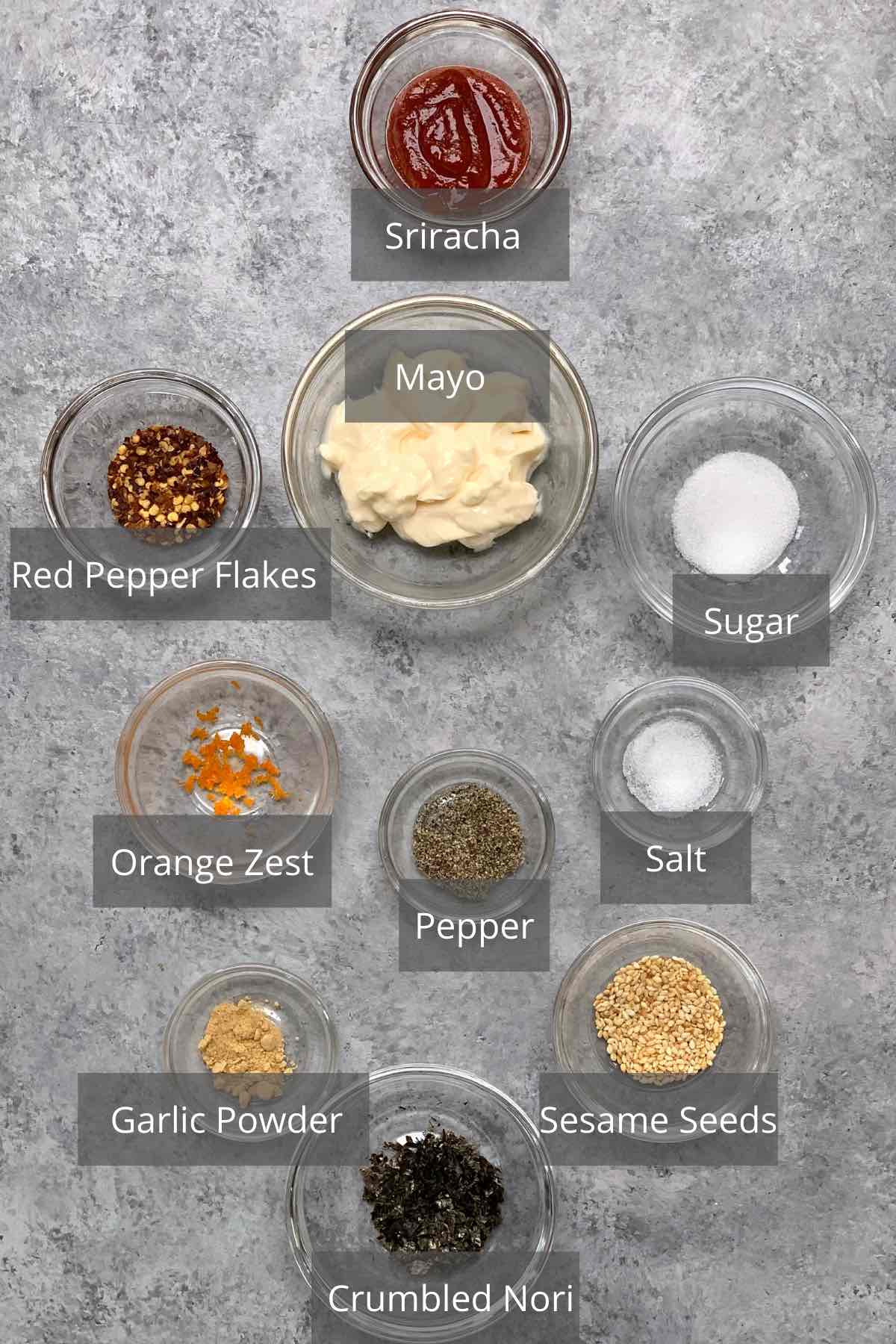
Mayonnaise — This is your base and creates the creamy texture that makes the sauce cling to food. I prefer Kewpie mayo here; the higher egg yolk content gives it an almost custard-like richness that regular mayo can’t match, and that umami hit pairs perfectly with the other flavors.
Sriracha — The heat component. Three teaspoons gives you noticeable spice without making the sauce inedible. If you prefer milder sauce, dial it back to 2 teaspoons; if you love heat, bump it up to 4.
Crushed Red Pepper Flakes — Additional heat and a different flavor profile than sriracha alone. Together, they layer the spiciness without making it one-note.
Garlic Powder — Just half a teaspoon, but it deepens the savory notes and ties the whole thing together. Fresh garlic would overpower, so the powder gives you subtle seasoning without graininess.
Orange or Tangerine Zest — This is the ingredient people often miss, but it’s what makes the sauce special. That bright citrus note prevents the sauce from being too heavy and adds a subtle sweetness that balances the heat. The zest should be finely minced so you get flavor without texture surprises.
Sugar — A quarter teaspoon, just enough to enhance the sweetness already in the sriracha and provide balance. It’s not meant to make this a sweet sauce; it’s a subtle balancing agent.
Ground Black Pepper — Sharpens all the other flavors and adds just a hint of bite.
Toasted Sesame Seeds — Always toast these first (I do it in a dry skillet over medium-low heat for 2–3 minutes, stirring constantly). Toasting brings out the nutty flavor and prevents them from tasting raw. They add texture and that toasty depth the sauce needs.
Nori Seaweed (Crumbled) — The umami powerhouse. Nori adds the savory, ocean-like quality that makes this sauce feel authentically Japanese. Crumble it with your fingers right before adding so you get texture variety instead of fine dust.
Kosher Salt — Just a quarter teaspoon to enhance all the flavors without making it overly salty.
How to Make Togarashi Sauce
The method is intentionally simple because I wanted a five-minute condiment I could make without overthinking it.
Start by creating your homemade togarashi seasoning component. Combine the crushed red pepper flakes, garlic powder, ground black pepper, and finely minced orange zest in a small bowl. If you’re using pre-made togarashi powder (about 1 tablespoon), you can skip this step and just have it ready.
In a larger bowl, whisk together the mayonnaise and sriracha until fully combined. The sriracha should be completely incorporated so there are no streaks of red and white.
Fold the togarashi mixture into the mayo until no streaks remain. Then fold in the sugar, salt, toasted sesame seeds, and crumbled nori. The texture should be creamy and speckled with sesame and seaweed. Taste it and adjust — if you want more heat, add another teaspoon of sriracha; if you want more citrus brightness, zest a tiny bit more orange.
How to Use Togarashi Sauce
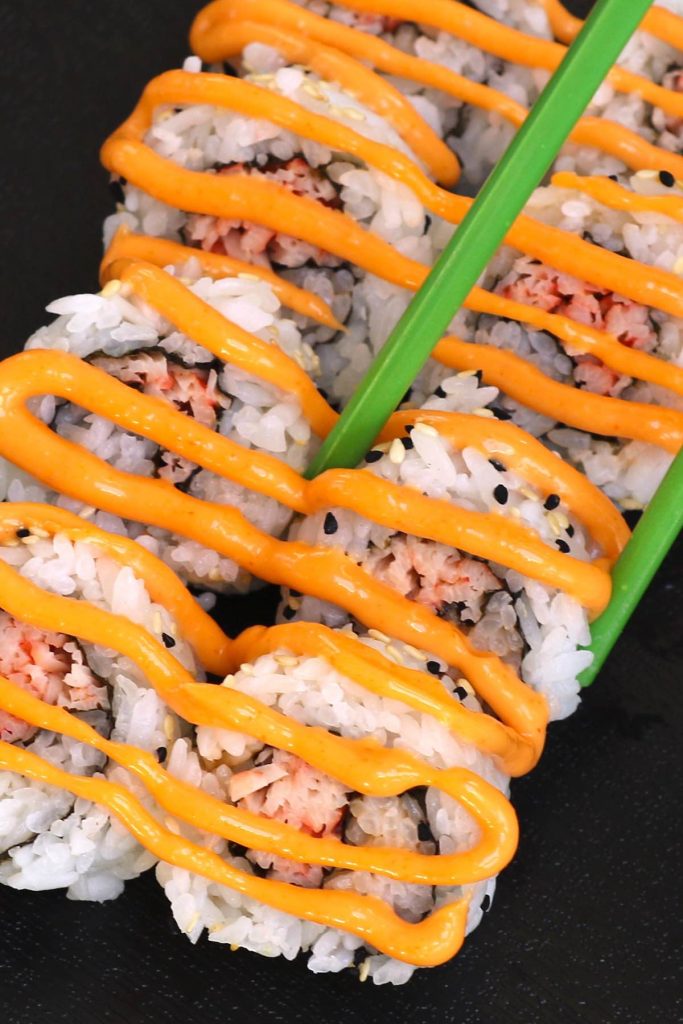
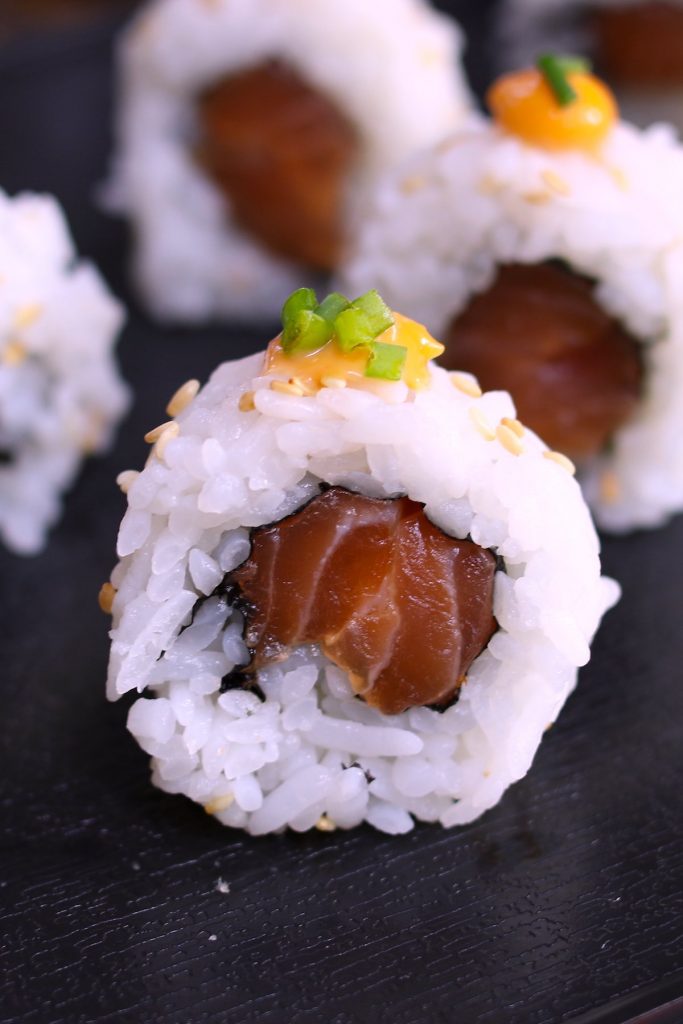
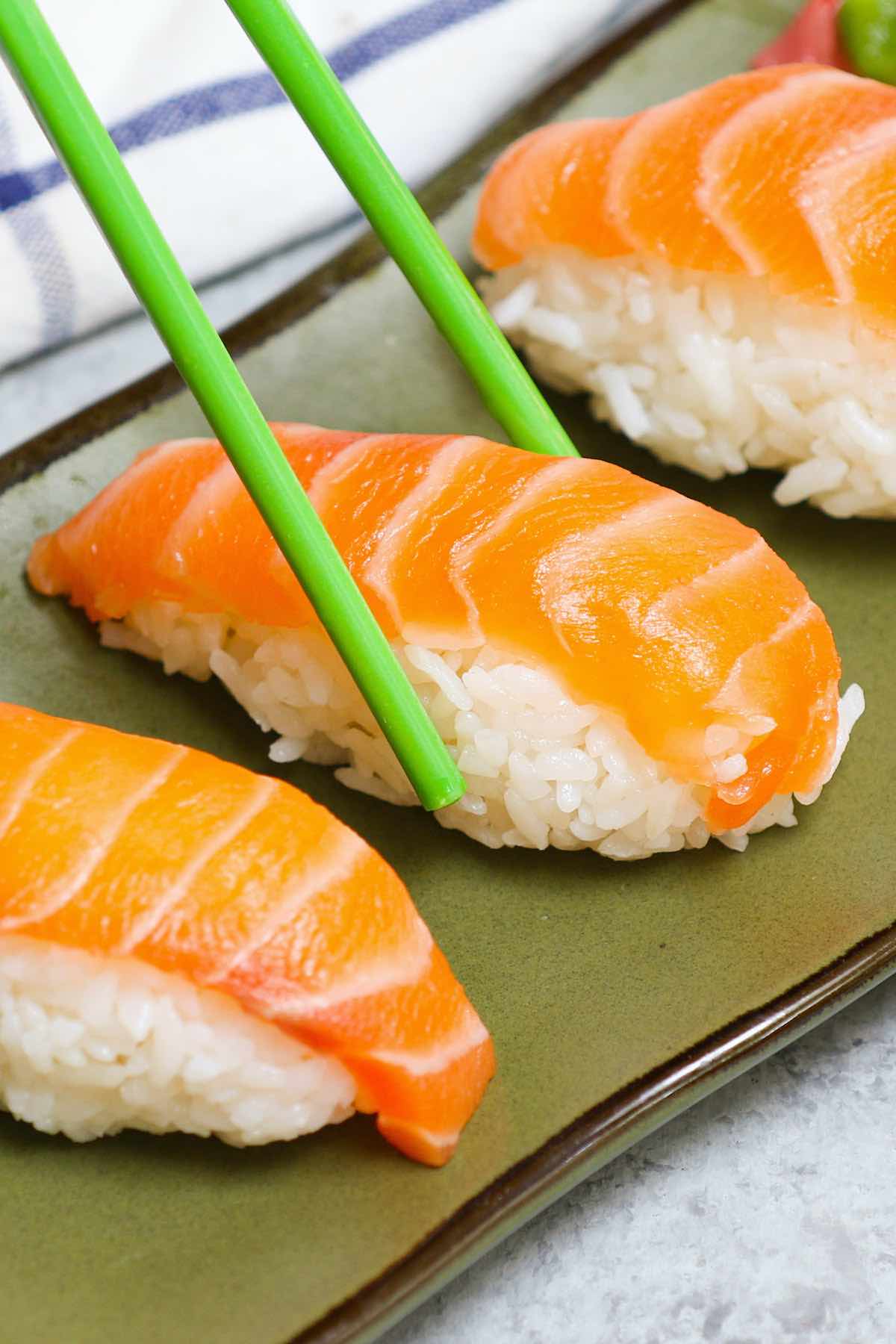
Sushi and Sushi Rolls — This is the most traditional use. Serve it alongside soy sauce for dipping, or spread it inside rolls for extra flavor and creaminess.
Poke Bowls — Drizzle it over your poke, mixing it into the fish as you eat. It brings out the richness of raw salmon or tuna and adds a welcome contrast to the cool, delicate fish.
Grilled Proteins — I dollop it onto grilled shrimp, scallops, salmon, or even chicken. The heat complements charred, smoky flavors beautifully.
Rice Bowls and Grain Bowls — Spoon it over rice, mixed grains, or salads for a spicy-savory kick. It works especially well with sushi rice or jasmine rice.
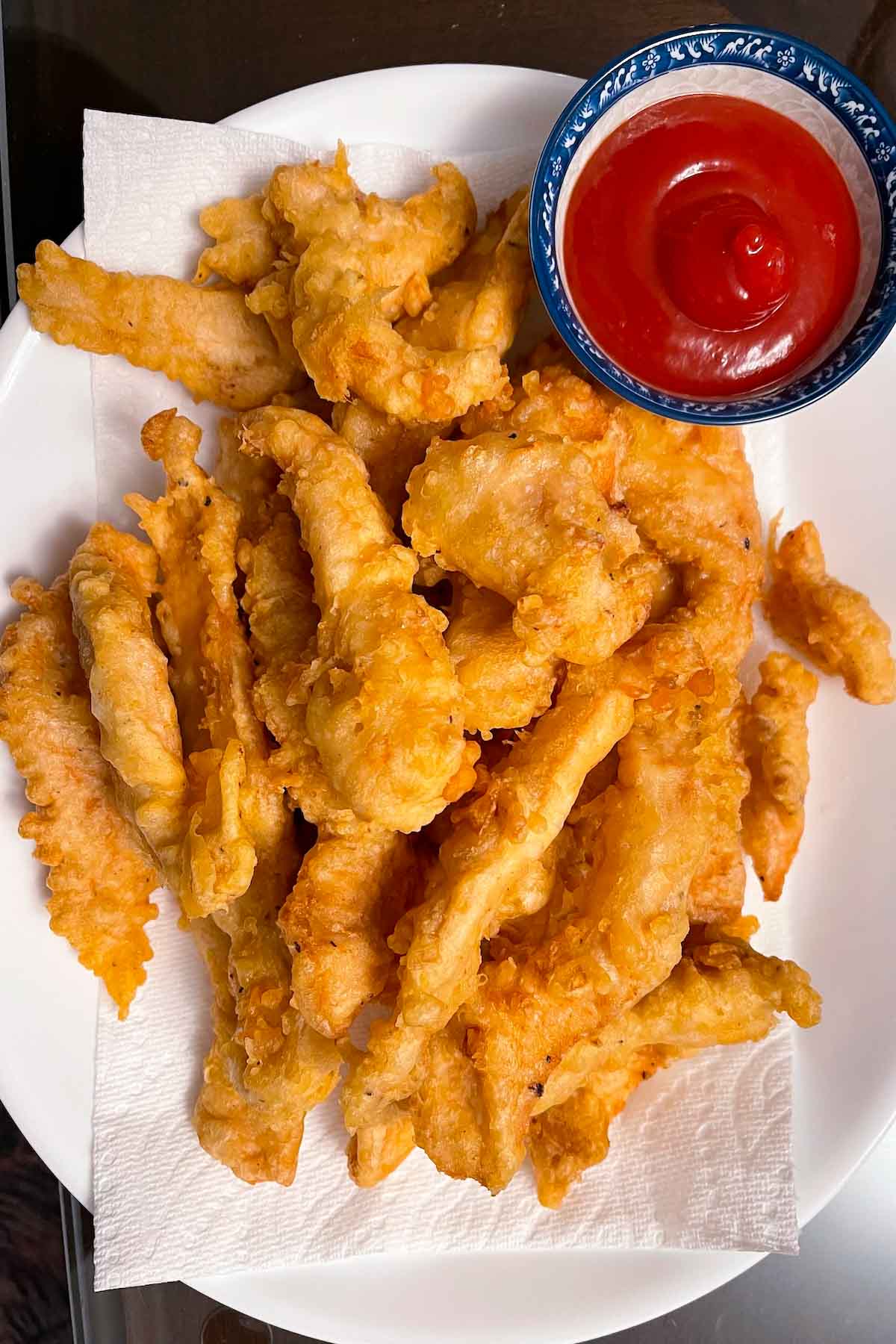
Fries and Fried Foods — It’s an excellent dipping sauce for fries, tempura vegetables, or fried tofu. The creaminess coats your mouth, and the spice keeps you reaching for more.
Vegetables — Toss it with roasted or grilled vegetables (especially eggplant, zucchini, or asparagus) for an easy side dish.
Togarashi Sauce Variations
Spicy Version — Increase sriracha to 4 teaspoons and add an extra teaspoon of crushed red pepper flakes. This is for heat lovers.
Mild Version — Reduce sriracha to 2 teaspoons and use only half a teaspoon of crushed red pepper flakes. It’s still flavorful but much less fiery, making it more accessible for kids or anyone who prefers gentle heat.
Dairy-Free / Vegan Version — Substitute the mayo with vegan mayo (like Vegenaise or Just Mayo). The flavor will be nearly identical; the texture might be slightly thinner, so you can add an extra teaspoon of mayo to compensate. Omit the sriracha if your brand contains fish sauce, or choose a vegan sriracha option.
Yuzu Togarashi Sauce — Replace the orange zest with yuzu juice (1 teaspoon) or fresh yuzu zest if you can find it. Yuzu has a more complex citrus flavor than orange and feels more upscale. This version is especially beautiful served with nigiri sushi or poke.
How to Store Togarashi Sauce
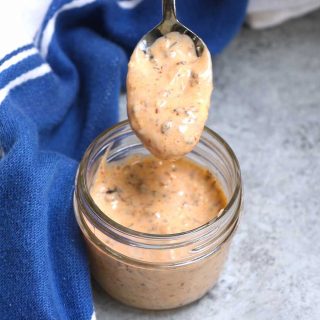
Store your homemade togarashi sauce in an airtight glass container in the refrigerator. It will last for up to three weeks, though the sriracha and sesame flavors stay brightest in the first two weeks. If you’re making it ahead for a dinner party, prepare it the morning of or the day before for the best flavor.
The sauce will thicken slightly as it sits due to the moisture from the nori and zest. If it becomes too thick, whisk in a teaspoon of water or fresh lemon juice to loosen it. Don’t freeze it — the mayo base breaks down when thawed.
Izzy’s Tips
- Toast your sesame seeds every time. I know it seems like an extra step, but raw sesame seeds taste stale compared to toasted. Two minutes in a dry skillet transforms them from boring to nutty and aromatic. It’s worth the time.
- Use Kewpie mayo if you can find it. Regular American mayo works fine, but Kewpie’s higher egg yolk content and subtle sweetness complement togarashi better. It creates a silkier sauce and costs just a dollar more at most grocery stores or Asian markets.
- Don’t skip the orange zest. This is the ingredient that separates homemade togarashi sauce from the jarred versions. That bright citrus note is what makes people ask “what’s in this?” The zest should be finely minced so it distributes evenly — use a microplane if you have one.
- Adjust the heat first, other flavors second. Start with 3 teaspoons sriracha as written, then taste and adjust the spice level before tweaking anything else. Different sriracha brands vary in heat, so adjust to your preference, then dial in the citrus and umami.
- Crumble nori by hand right before adding it. If you crumble it too far in advance, it absorbs moisture and loses its texture. You want little flakes, not powder, so they stay visible and don’t dissolve into the mayo.
FAQ
What is the difference between togarashi and creamy togarashi sauce? Togarashi is a dry seven-spice blend used as a finishing spice on soups, noodles, and grilled foods — similar to how you’d use salt and pepper. Creamy togarashi sauce is mayo-based and was created to be a dipping sauce or condiment for sushi and poke bowls. Think of togarashi as the spice, and creamy togarashi sauce as the condiment version.
Can I make togarashi sauce without sriracha? You can, but sriracha is the primary heat source and adds flavor depth beyond just spice. If you don’t have sriracha, you could use a different hot sauce (like Gochujang diluted with water) or increase the crushed red pepper flakes to 3 teaspoons, though the flavor profile will be different and less umami-rich. I’d recommend buying a bottle of sriracha instead if you love togarashi sauce — it’s a pantry staple worth having.
How long does togarashi sauce stay fresh in the fridge? It lasts up to three weeks in an airtight container, though the flavor is brightest in the first two weeks. The sriracha acts as a preservative, so it won’t grow mold, but the sesame seed flavor fades and the nori absorbs moisture. For meal prep, make smaller batches more frequently instead of one large batch.
Can I use pre-made togarashi powder instead of making the seasoning from scratch? Yes, absolutely. Use about 1 tablespoon of pre-made togarashi powder (like McCormick or Savory Spice Shop brand) in place of the individual components (red pepper flakes, garlic powder, black pepper, and zest). The flavor will be slightly different because pre-made blends typically include different ratios of ingredients, but the sauce will still be delicious and saves you time if you don’t want to toast sesame seeds.
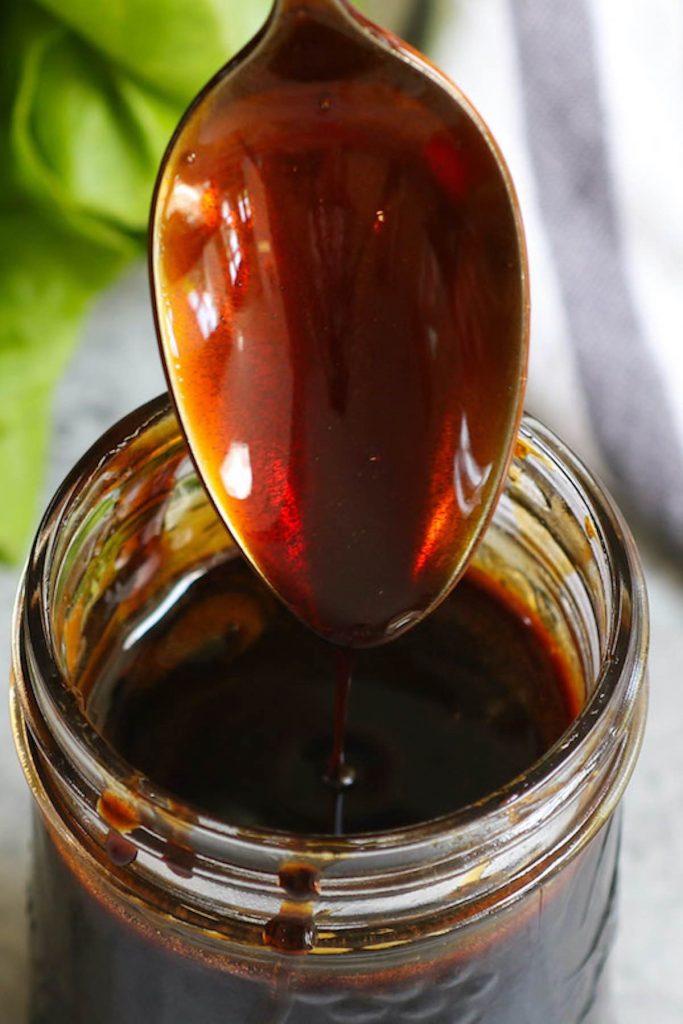
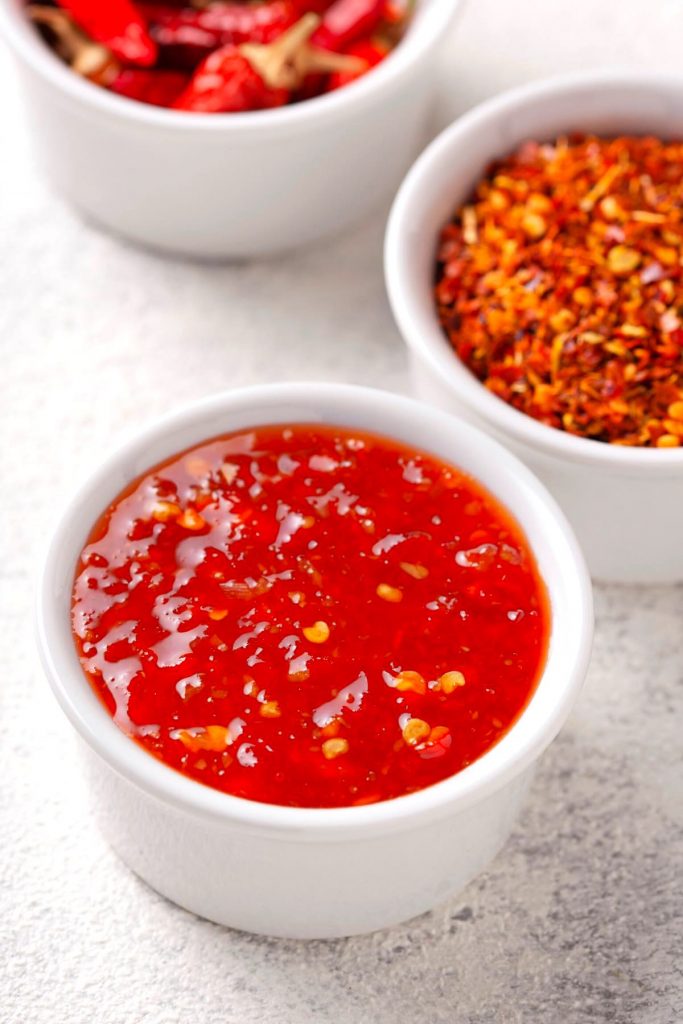
I hope you love this creamy togarashi sauce! If you make it, please leave a star rating and comment below — it really helps other readers find the recipe.
Easy 5 Minute Togarashi Sauce Recipe
Ingredients
For the Spicy Mayo
- 1/3 cup mayonnaise, (or use sour cream)
- 3 teaspoons sriracha
For the Shichimi Togarashi
- 1 teaspoon crushed red pepper flakes
- ½ teaspoon garlic powder
- 1 teaspoon orange or tangerine zest
- ¼ teaspoons sugar
- 1/2 teaspoon ground black pepper
- 1 tablespoon toasted sesame seeds
- 1 tablespoon nori seaweed, (crumbled)
- 1/4 teaspoon kosher salt, (to taste)
Instructions
- Make Togarashi Seasoning: In a mixing bowl, mix together crushed red pepper flakes, orange zest, garlic powder, sugar, salt, pepper, sesame seeds and crumbled nori.
- Make Spicy Mayo: In a separate bowl, whisk together mayo and sriracha sauce.
- Mix the Sriracha mayo with Togarashi seasoning.
- Taste and adjust heat and salt. Add more spices if you like. Serve and enjoy.
Notes
Nutrition
Nutrition information provided is an estimate only and will vary based on ingredient brands and cooking methods used.
This post may contain affiliate links. Please read my disclosure policy.

Love trying out new sauces. This was great in my sushi bowl! Thank you!
I never knew that this was a thing, but it tastes so amazing, I have to find more recipes to add this awesome sauce to!
This sounds great, but I’m confused about whether it should have ginger powder or garlic powder. The instructions say garlic in some places and ginger in others.
Hi Anne, thanks for letting me. It should be garlic powder.
SO GOOD!!!