Shirako (Japanese Buttery Fish Milt): What It Is, How It Tastes & How to Cook It

on Mar 13, 2021, Updated Feb 25, 2026
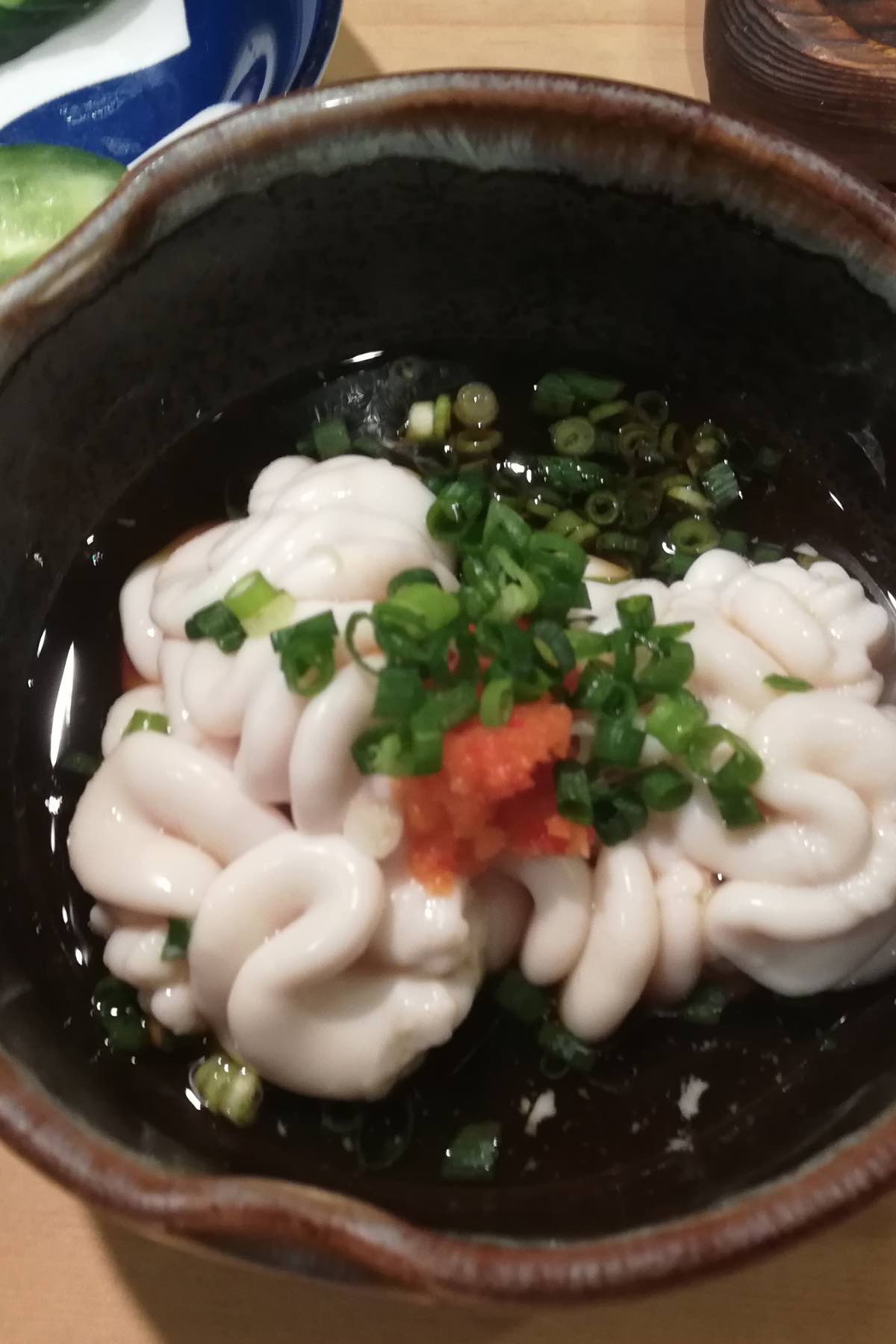
I’ll be honest—the first time I saw shirako on a high-end sushi menu in Tokyo, I laughed out loud. Fish milt? Really? But I was in Japan to eat everything adventurous, and shirako (白子) is considered a winter delicacy, so I ordered it. One bite later, I understood why it commands premium prices: it’s creamy, rich, and surprisingly delicate—nothing like what the name suggests. That’s what this post is about: what shirako actually is, what it genuinely tastes like when you eat it, and how to prepare it at home if you’re brave enough to try.
Shirako is the milt—the sperm sacs—of male fish, most commonly cod (tara in Japanese), but also from blowfish (fugu), salmon, and monkfish. The word “shirako” literally translates to “white children” in Japanese, which is both charming and blunt. It’s been part of Japanese cuisine for centuries, born out of the practical principle of using every part of the fish. What started as a no-waste practice has evolved into a refined delicacy featured at some of the best restaurants in Japan and served as a premium sushi topping.
By the end of this post, you’ll know exactly what shirako is, what it tastes like, how to prepare it safely and deliciously, where to find it, and how to serve it like they do in Japan. Plus, I’ll share what I’ve learned from making it at home and how to avoid the one rookie mistake that’ll ruin the texture.
What Is Shirako?
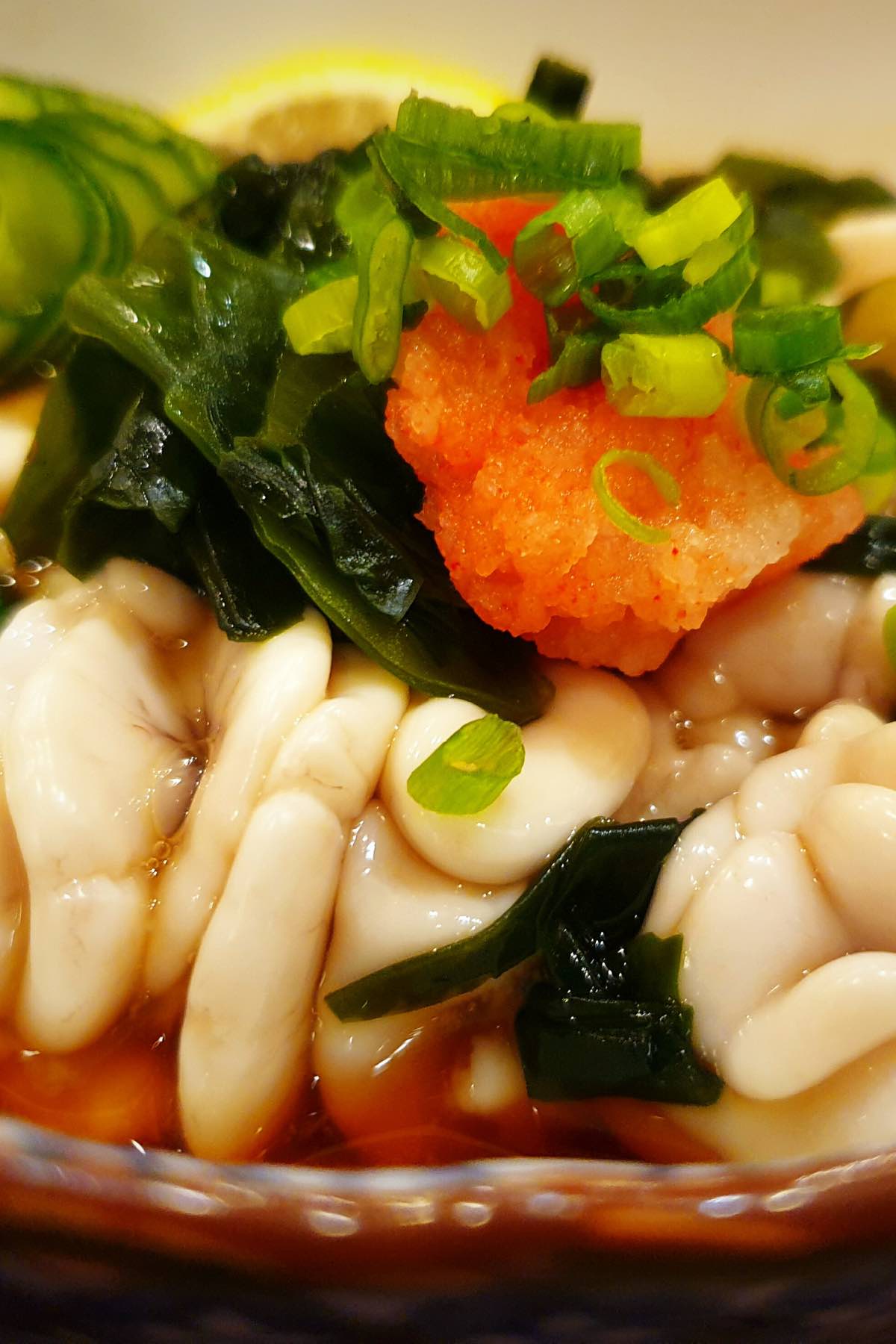
Shirako is the milt (sperm sacs) of male fish. In Japanese cuisine, this delicacy is most commonly harvested from Pacific cod (tara), though it’s also obtained from blowfish (fugu), salmon, and monkfish. The appearance is distinctive: tubular, white to pale pink in color, with a texture and shape often compared to brains—which is why it’s part of the adventurous eating experience rather than mainstream dining.
The name “shirako” (白子) breaks down beautifully: 白 (shiro) means “white,” and 子 (ko) means “children”—a poetic way of describing these white sacs. In Japanese high-end cuisine (kaiseki and sushi), shirako is considered a luxury ingredient. It’s harvested during the spawning season and is most abundant and flavorful during the winter months (November to February). The best shirako is said to come from Hokkaido and the cold waters of the Sea of Japan.
Shirako from different fish has subtle differences. Cod shirako (tara shirako) is the most accessible and commonly found outside Japan—it has a mild, buttery flavor. Blowfish shirako (fugu shirako) is considered premium with a slightly different texture. Salmon shirako is milder still. For home cooking, you’ll almost always be working with cod shirako.
Types of Shirako
Tara Shirako (Cod Milt) — The most common and accessible shirako outside Japan. Cod milt is mild, buttery, and the entry-level shirako for adventurous eaters. It’s the type used in the recipe below and the easiest to source online and frozen.
Fugu Shirako (Blowfish Milt) — The premium variety, prized for its delicate flavor and firmer texture. Blowfish is highly regulated in Japan, so fugu shirako is typically only found in high-end Japanese restaurants. It commands the highest price.
Salmon Shirako — Slightly sweeter and milder than cod, salmon shirako is becoming more available in Western markets. Less flavorful than cod milt, but a more approachable option.
For this post and home cooking, cod shirako (tara shirako) is your target. It’s flavorful enough to be interesting, accessible enough to order online, and affordable enough to experiment with.
What Does Shirako Taste Like?
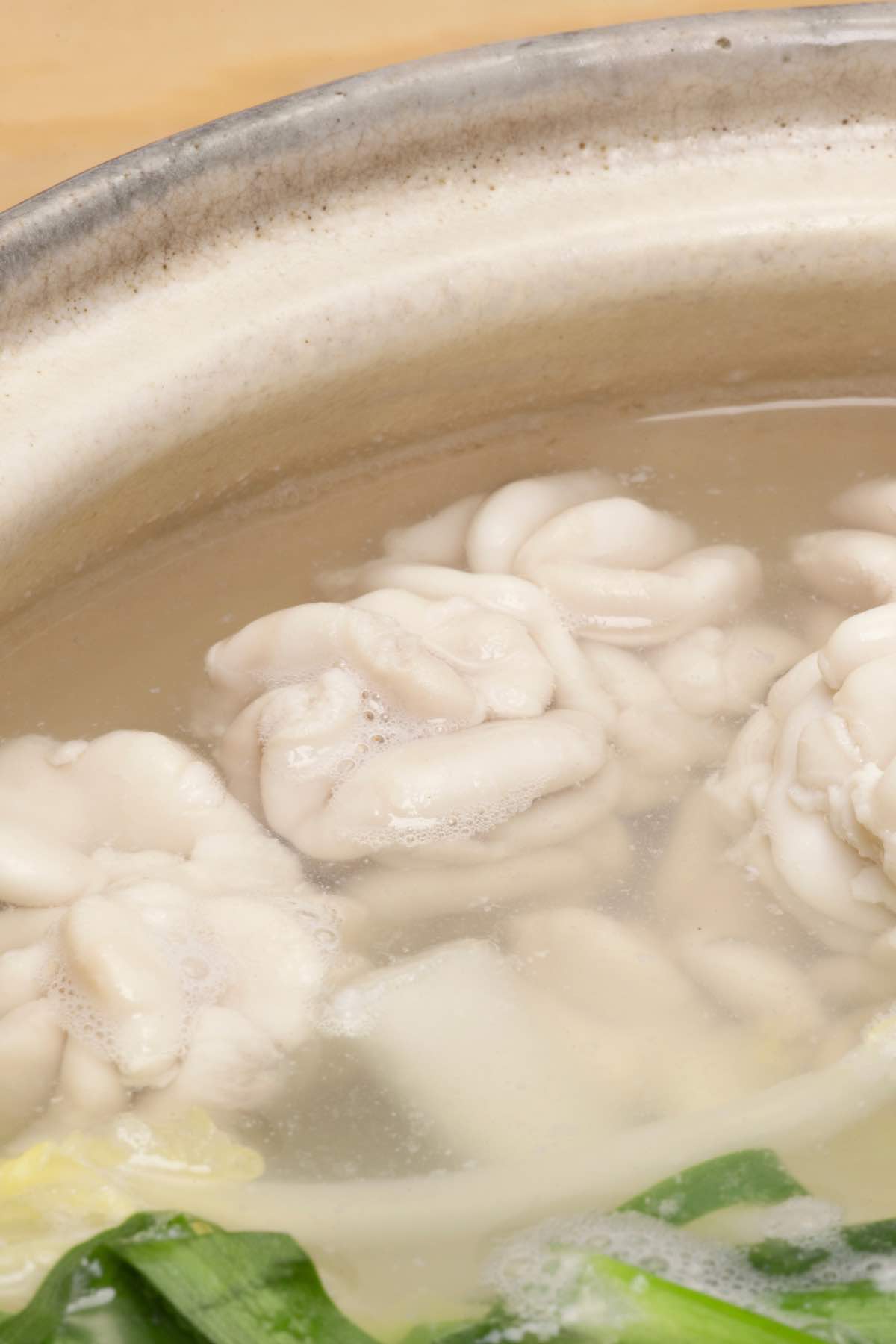
Before you eat shirako, you need to know what to expect. Shirako has a creamy, custard-like texture that melts on your tongue. The flavor is mild and slightly sweet, with a subtle briny ocean taste—umami-forward but not overpowering. It’s nothing like the fishy, intense flavor you might imagine from the ingredient description. In fact, it’s much more delicate and refined.
The closest texture comparisons are oysters, soft scrambled eggs, or room-temperature custard. When served briefly blanched with ponzu, it’s silky and creamy with a delicate firmness at the center. The flavor profile changes slightly depending on preparation: blanched and chilled with ponzu, it’s refreshing and bright; grilled, it becomes custard-like inside with a slight char; in a hot pot, it absorbs the umami of the broth.
Adventurous eaters often find it more similar in spirit to uni (sea urchin roe) than to fish flesh—refined, an acquired taste, but not challenging once you try it. The buttery richness coats your mouth pleasantly and has a luxurious mouthfeel.
Shirako Nutrition and Health Benefits
Shirako is surprisingly nutritious, which is one reason it’s valued in Japanese cuisine beyond novelty. It’s exceptionally high in protein (roughly 18–20g per 3.5 oz / 100g serving), rich in omega-3 fatty acids, and low in carbohydrates. It contains B vitamins, particularly B12 and folate, which support energy production and neurological health.
For a food eaten in small portions as a delicacy, the nutritional density is impressive. A typical serving (about 2–3 oz / 60–85g) provides 7–9g of protein. It’s also low in calories relative to its richness—it just feels indulgent because of the creamy texture and umami flavor.
Shirako with Ponzu Sauce Recipe
Ingredients
- 1/2 pound shirako
- 2 tablespoons soy sauce
- 1 tablespoon ponzu sauce
- 1/2 cup dashi, optional
- chopped onions
Instructions
- Add water to a medium saucepan. Bring it to a boil.
- Cut shirako into bite-sized pieces.
- Add shirako pieces into the hot water, and boil for about 30 seconds.
- Use a slotted spoon to remove shirako from the water and place it into an iced water bath.
- Drain the water and add shirako into a mixing bowl.
- Add ponzu sauce, soy sauce, optional dashi sauce. Mix gently. Sprinkle green onions on top. Serve and enjoy!
Nutrition
Nutrition information provided is an estimate only and will vary based on ingredient brands and cooking methods used.
This post may contain affiliate links. Please read my disclosure policy.
How to Make Shirako (Ponzu Style)
This is the classic Japanese preparation. The technique is simple but critical—a brief blanch and ice bath sets the texture perfectly without overcooking.
- Prepare the shirako — If using frozen shirako, thaw gently in the refrigerator for several hours or under cool running water. Pat dry gently with paper towels. Fresh shirako should be rinsed under cool water, then patted dry. Don’t scrub—the tissue is delicate.
- Bring water to a boil — Fill a pot with water and bring to a rolling boil. You want enough water that the temperature stays high when you add the shirako.
- Blanch the shirako — Gently place the shirako into the boiling water. Blanch for exactly 1 minute—just enough for the outside to set and turn opaque white while the inside remains creamy. If you leave it in longer (2 minutes or more), it becomes rubbery.
- Ice bath — Immediately remove the shirako with a slotted spoon and plunge it into a bowl of ice water. This stops the cooking instantly. Leave it for 1–2 minutes until completely cooled.
- Drain and plate — Remove from the ice bath and drain gently on paper towels. Cut into bite-size pieces (roughly 1–2 inches) and arrange on a small serving plate. One serving is usually 2–3 pieces.
- Sauce and garnish — Spoon 1.5 to 2 tablespoons of ponzu sauce over the shirako. Add a small drizzle of soy sauce (about 0.5 teaspoon per serving) if desired. Finish with chopped green onions and serve immediately.
How to Eat Shirako (Japanese Style)
In Japan, shirako is treated as a refined delicacy. These guidelines help you get the most from the experience:
- Portion size — A typical serving is 2–4 pieces (about 2–3 oz per person). It’s usually served as an appetizer or one course in a multi-course meal, not a main dish.
- Temperature — Best enjoyed chilled or at room temperature. The creamy texture is most apparent when cool.
- Eating method — Use chopsticks or a fork to pick up one piece at a time. It’s meant to be savored—it’s so creamy that it melts.
- Sauce — Don’t over-sauce. A light dip into the ponzu is ideal. The shirako’s subtle flavor should be the star.
- Pairing — Traditionally served with grated daikon radish, shiso leaves, or grated ginger. These add textural contrast and freshen the palate between bites.
- Timing — Eat immediately after plating. Shirako is best within 5–10 minutes of being blanched and chilled.
Shirako vs Other Japanese Delicacies

If you’re exploring adventurous Japanese foods, shirako often comes up alongside other premium items:
- Shirako vs Uni (Sea Urchin Roe) — Uni is brinier, richer, and more intensely flavored. Both are creamy and luxurious, but uni is sweeter and more assertive. Shirako is milder and more delicate. Uni is easier to find in Western restaurants; shirako is rarer.
- Shirako vs Ankimo (Monkfish Liver) — Ankimo is richer and more intensely flavored, with a more pronounced liver character. Both have buttery, custard-like qualities, but shirako is lighter and more delicate.
- Shirako vs Toro (Fatty Tuna Belly) — Toro is rich and buttery like shirako, but it’s fish flesh with stronger umami. Both are luxurious, but shirako is lighter.
If you’re an adventurous eater who enjoys uni or ankimo, shirako is a natural next step. It fits into that same refined, “let’s try everything” ethos. Check out our guide to uni and amaebi for more Japanese delicacy inspiration.
Shirako Variations
While the classic ponzu preparation is best for experiencing shirako pure, there are several traditional Japanese preparations worth knowing:
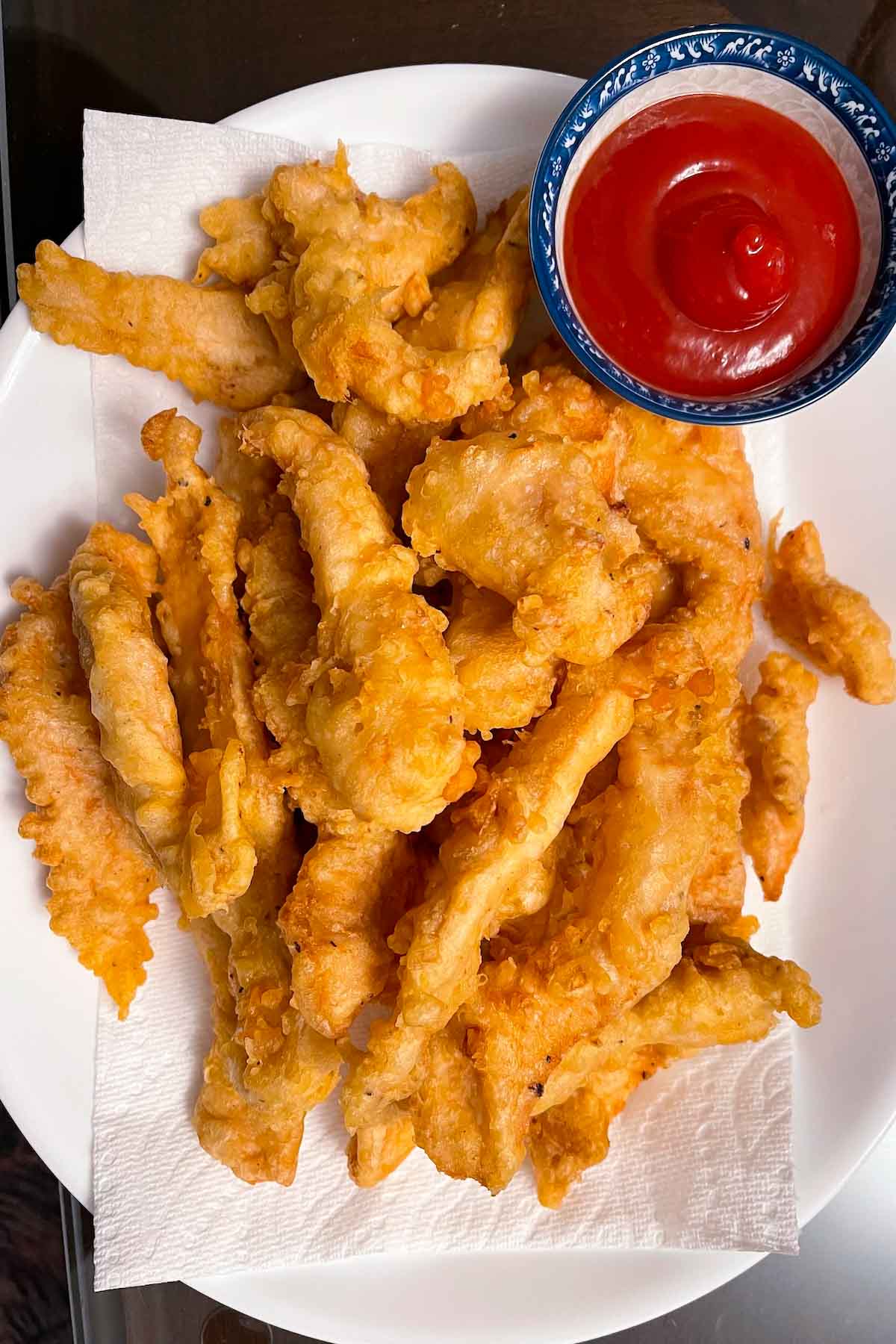
- Shirako Tempura — Coat blanched shirako in a light tempura batter and deep-fry at 340–350°F until golden and crispy. The contrast of crispy exterior and creamy interior is outstanding.
- Shirako Nabe (Hot Pot) — Add blanched shirako to a simmering dashi broth with vegetables, tofu, and mushrooms. The shirako absorbs the umami of the broth while maintaining its creamy texture—a winter favorite in Japan.
- Shirako with Sesame Dressing — Serve blanched shirako chilled with a Japanese sesame dressing (goma dare). The nuttiness of sesame complements the richness beautifully.
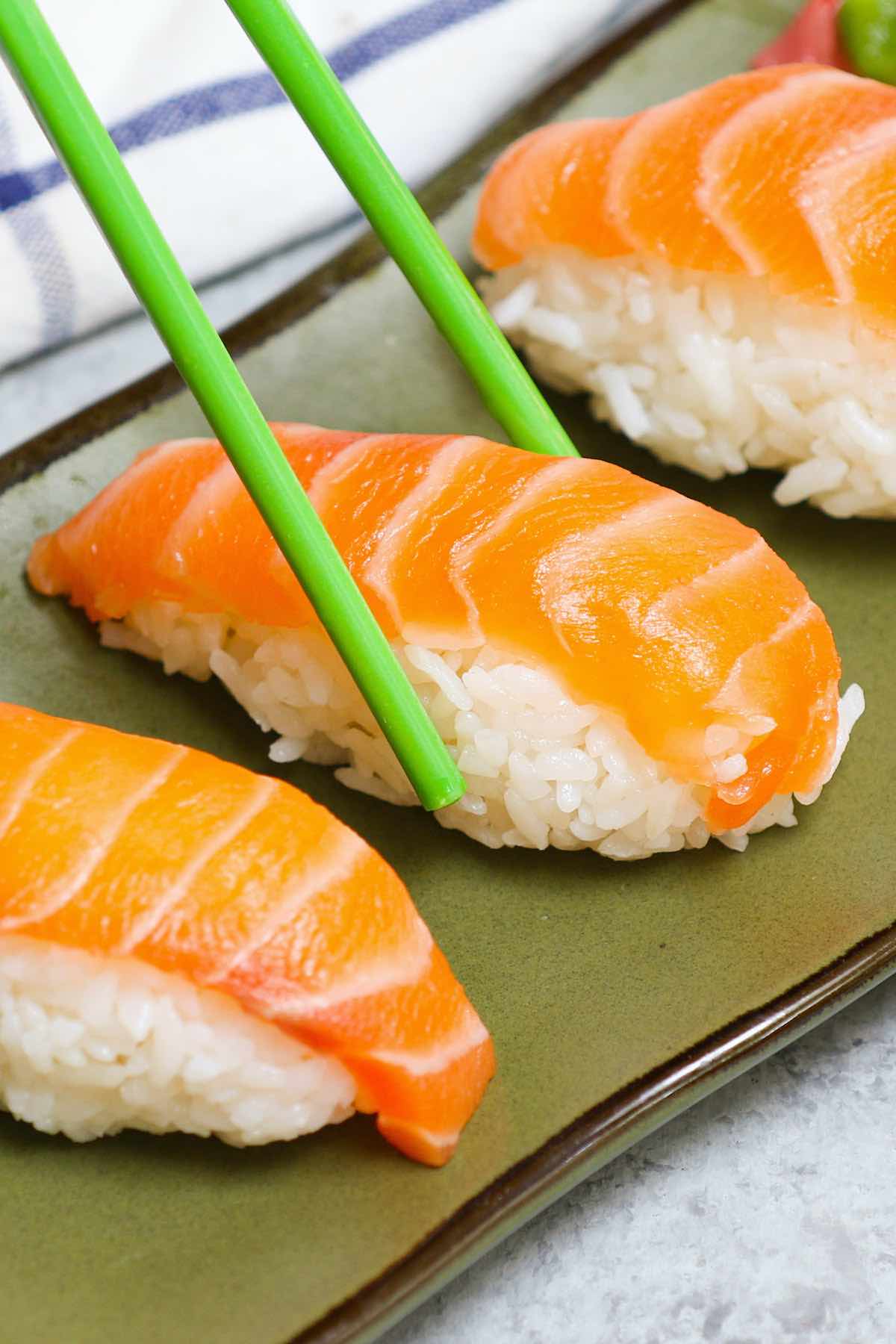
- Shirako Gunkan Maki (Battleship Sushi) — Wrap a band of nori around a pressed ball of sushi rice and top with blanched shirako. Serve with a tiny amount of soy sauce and wasabi.
Where to Buy Shirako
Shirako is not a common grocery store item in most Western countries. Here’s where to find it:
- Japanese specialty grocers — Your best bet for fresh or quality-frozen shirako. Call ahead and ask if they have tara shirako (cod milt) in stock. During winter (November–February), it’s more likely to be available.
- Online seafood retailers — Several specialty suppliers ship frozen cod shirako nationwide: Hokkaido Uni Shop, Intershell Seafood, Four Star Seafood, Daily Seafood, and Weee! (Asian grocery delivery).
- What to look for — Frozen shirako is completely acceptable and often fresher than fresh imports. Color should be white or very pale pink. Expect to pay $20–$40 per pound.
Because shirako is harvested during spawning season (winter), it’s most abundant November–February. You can find it year-round frozen, but fresh shirako is best during winter months. Frozen cod shirako from online retailers offers the best value for first-timers.
How to Store Shirako
- Fresh shirako — Use within 1–2 days of purchase. Store in the coldest part of your refrigerator, in original packaging or wrapped in parchment paper.
- Frozen shirako — Keeps well for 2–3 months at 0°F (-18°C) or below. Thaw slowly in the refrigerator (4–6 hours or overnight). Never thaw and refreeze—this damages the texture.
- Prepared shirako — Once blanched and plated with ponzu, eat within 5–10 minutes. Don’t store prepared shirako in the refrigerator.
- Signs of spoilage — Don’t eat shirako with a strong fishy smell (beyond normal seafood odor), visible discoloration beyond pale pink/white, or mushy texture.
Izzy’s Tips
- The one-minute rule is sacred — This is the most common mistake: overcooking. Blanch for exactly 1 minute, then ice bath immediately. No exceptions.
- Use an ice bath, not cold water — Regular cool water doesn’t stop the cooking fast enough. Make an ice bath ahead of time (bowl of ice and water) to cool the shirako instantly.
- Ponzu is non-negotiable for your first time — The citrus acidity cuts the richness beautifully. If you’re trying shirako for the first time, start with ponzu.
- Buy frozen cod shirako if you’re a beginner — Frozen shirako is easier to work with because it has a firmer texture that’s more forgiving. Quality isn’t compromised.
FAQ
What does shirako taste like?
Shirako has a creamy, custard-like texture with a mild, slightly sweet flavor and subtle briny notes. It’s often described as “buttery” and is much milder and more refined than you’d expect from an ingredient that’s technically fish milt. The taste is umami-forward but not fishy in a pungent way. Many compare it to uni (sea urchin roe) or oysters in terms of luxury seafood appeal.
Is shirako healthy?
Yes. Shirako is exceptionally high in protein (18–20g per 3.5 oz / 100g), rich in omega-3 fatty acids, and a good source of B vitamins, particularly B12 and folate. It’s low in carbohydrates and surprisingly low in calories for how rich it tastes.
Where can I buy shirako?
Fresh or frozen shirako is available at Japanese specialty grocers (especially in winter), Asian markets, and online seafood retailers like Hokkaido Uni Shop, Intershell Seafood, and Weee!. Frozen cod shirako is often easier to source than fresh and completely acceptable quality-wise. Expect to pay $20–$40 per pound.
How long do I blanch shirako?
Exactly one minute. No more. Blanching for 1 minute sets the outside and keeps the inside creamy. Anything longer and it becomes rubbery. After 1 minute, immediately plunge it into an ice bath to stop the cooking.