Peking Ravioli Recipe: Boston-Style Pan-Fried Dumplings

on Nov 24, 2021, Updated Feb 22, 2026
I first discovered Peking Ravioli at a favorite Boston Chinese restaurant when I moved to Massachusetts, and I was instantly hooked. These gorgeous pan-fried dumplings had a crispy, golden-brown bottom and a juicy pork filling perfumed with fresh ginger and green onions—exactly the kind of comfort food I craved. When I learned that “Peking Ravioli” is actually a Boston-specific name created by the legendary Joyce Chen in the 1950s to appeal to Italian-American customers, I became even more fascinated.
Now I make these at home constantly. They’re easier than you’d think, and the technique—steaming followed by pan-frying to create that signature crispy bottom—is something I’ve perfected over dozens of batches. If you’ve never made homemade Peking Ravioli, this recipe will walk you through every step. The result is authentic Boston-style dumplings that taste like they came straight from a restaurant kitchen.
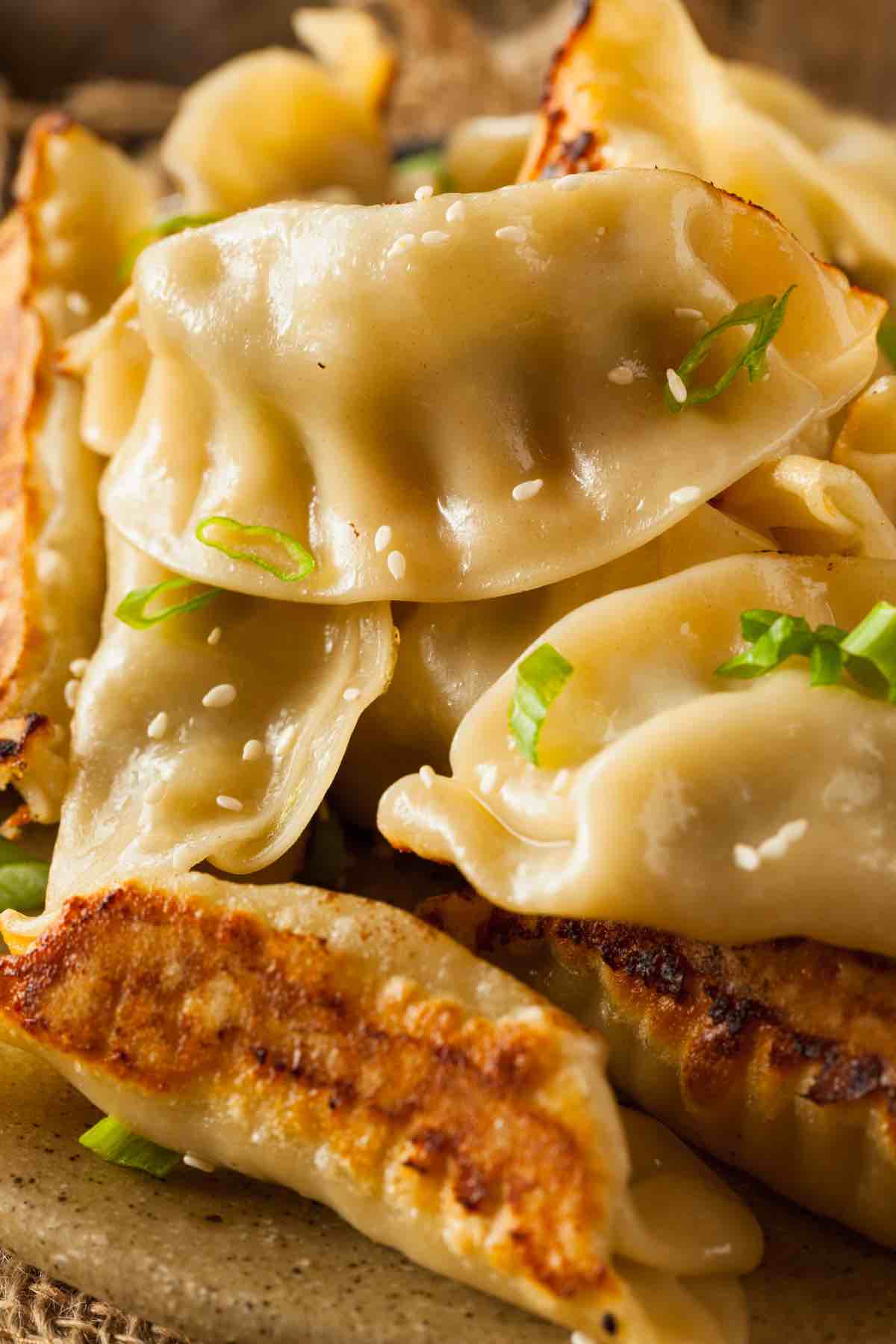
What Is Peking Ravioli?
Peking Ravioli are a uniquely Boston creation, born in the 1950s when Joyce Chen opened her restaurant in Cambridge and renamed traditional Chinese potstickers (jiao-zi) to appeal to the city’s large Italian population. The name was marketing genius: it communicated to Italian-American diners that these were filled dough pockets, similar to the ravioli they already knew and loved, while honoring Beijing (Peking), Joyce Chen’s birthplace.
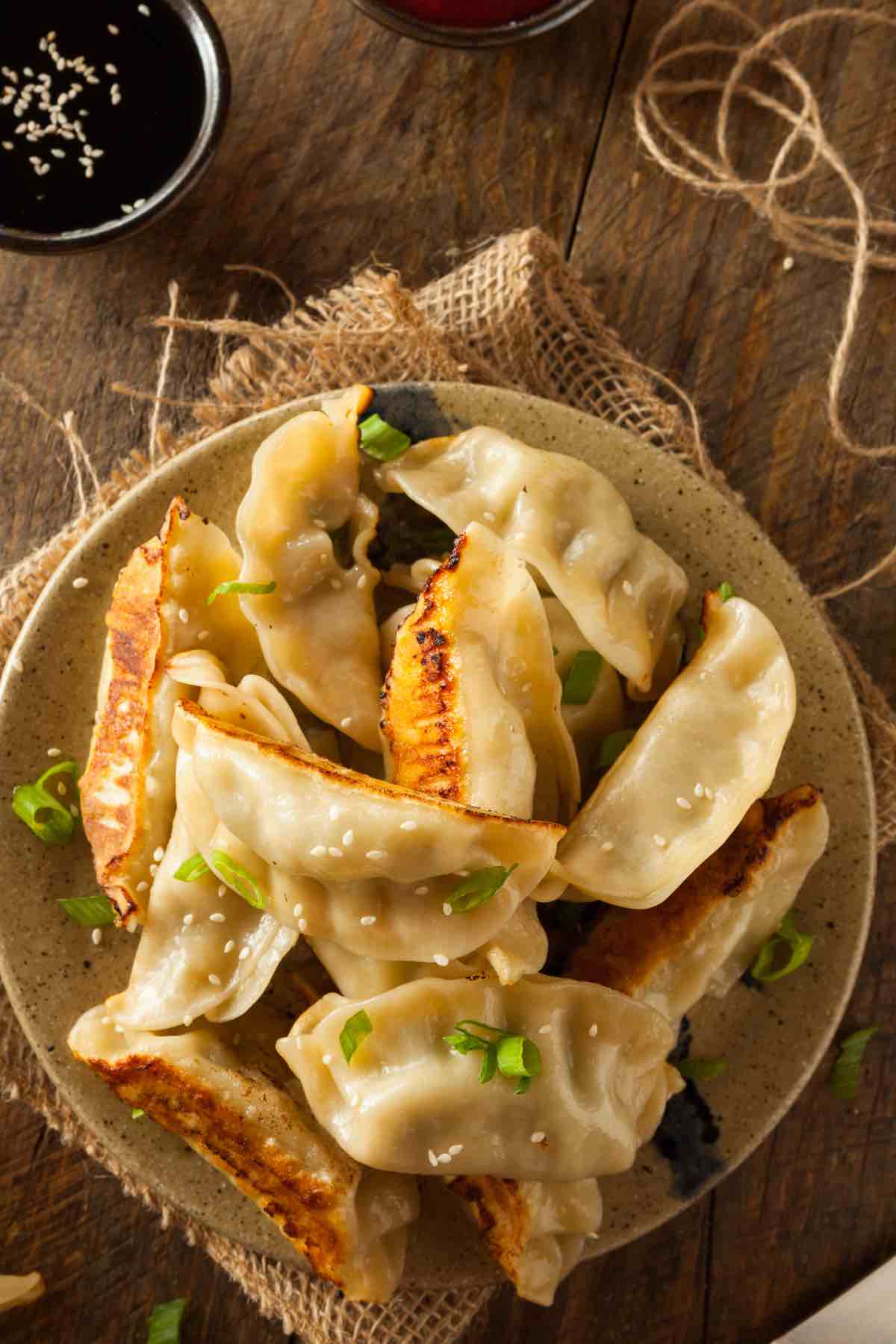
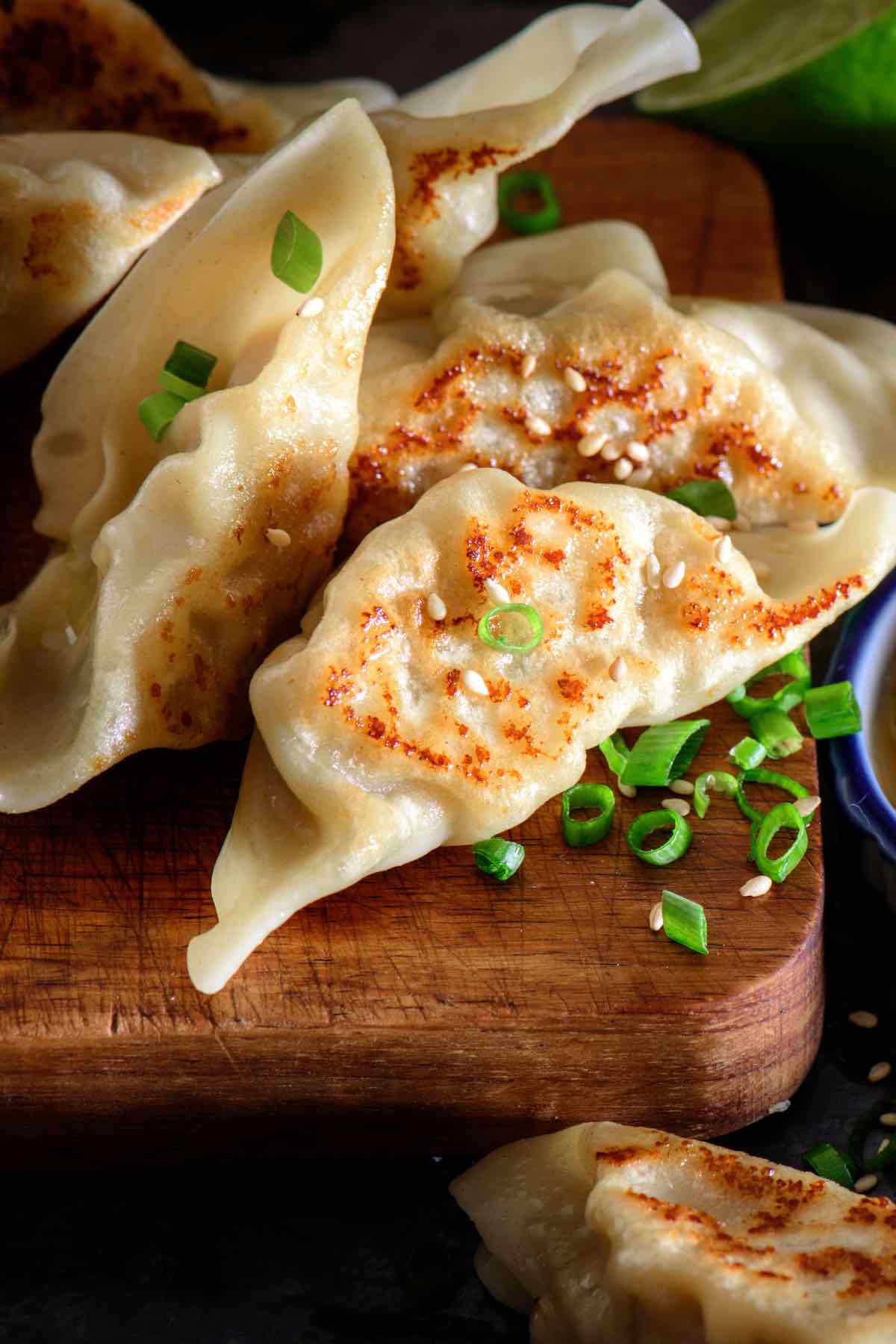
The dish caught on and became a New England staple. Today, you’ll find Peking Ravioli on the menu of nearly every Chinese restaurant in Boston and its suburbs. Unlike standard dumplings or potstickers, Peking Ravioli are characteristically larger, with a thicker wrapper and a filling that contains absolutely no cabbage—just seasoned ground pork, ginger, green onions, and aromatic Chinese seasonings. They’re cooked using the steam-then-fry method, which creates a soft, chewy top with a crispy, golden-brown bottom. That contrast is what makes them special.
What Does Peking Ravioli Taste Like?
The flavor is savory and deeply satisfying. The ground pork provides a rich, meaty base, while the fresh ginger adds warmth and subtle spice. Green onions bring a bright, oniony sharpness that cuts through the richness of the pork. The soy sauce and sesame oil create an umami depth—that savory, almost brothy quality—and the cornstarch in the filling keeps the meat tender and juicy, never dry.
When you dip the dumpling in the classic soy-vinegar sauce, the flavors become even more dynamic. The tartness of the vinegar balances the saltiness of the soy, and a touch of sesame oil adds a nutty finish. The crispy, slightly chewy wrapper gives way to the juicy filling—that texture contrast is a big part of what makes these dumplings so craveable.
Peking Ravioli Ingredients Explained
Here’s what each ingredient does in this recipe:
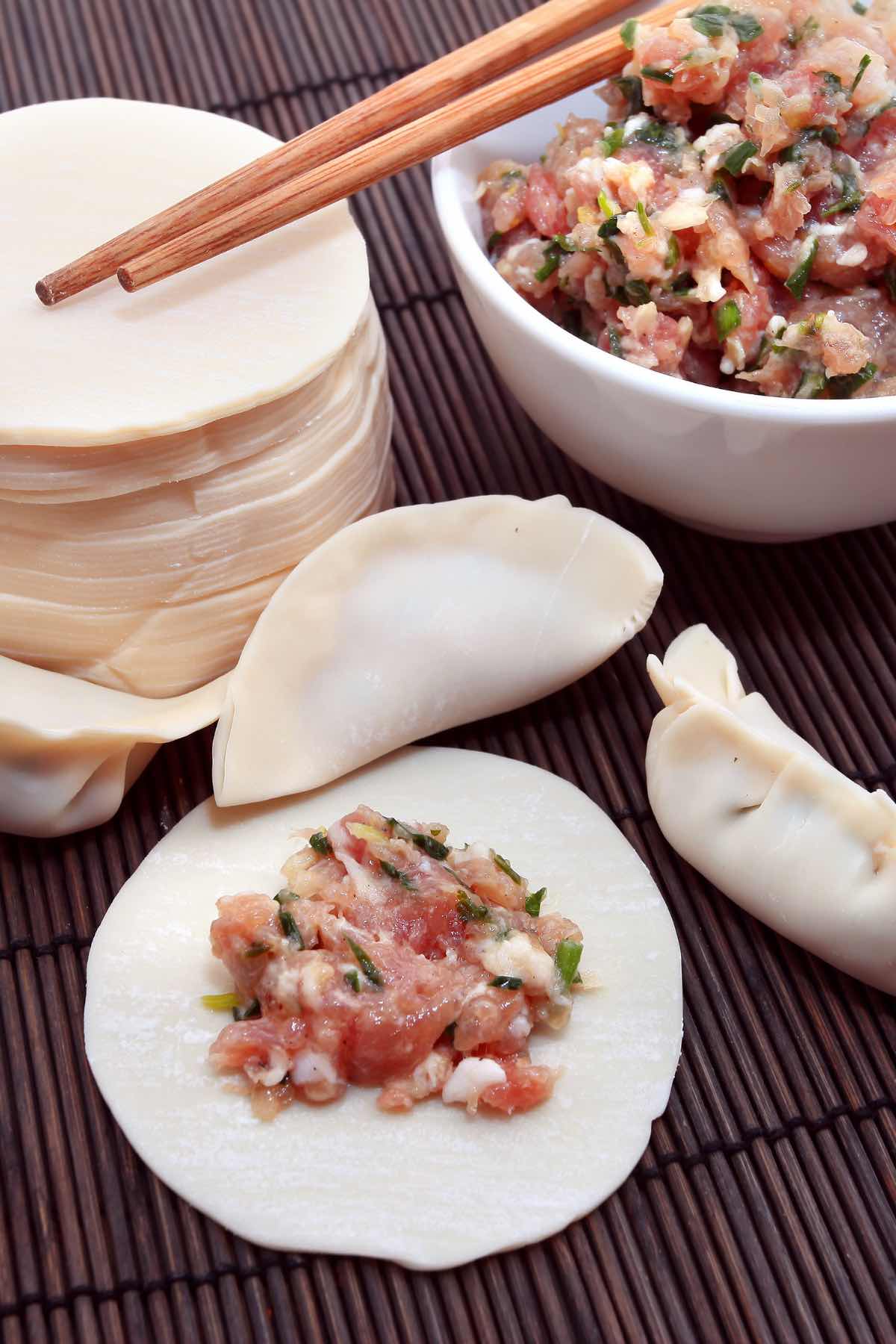
- Ground pork (1 lb): The heart of the filling. Ground pork is traditional because it absorbs the seasonings beautifully and cooks quickly. One pound yields approximately 24 dumplings.
- Dumpling wrappers (24): Also called “potsticker wrappers” or “gyoza wrappers,” these thin sheets of wheat dough are sold frozen or fresh in most supermarkets (look in the produce section or freezer aisle).
- Fresh ginger (1 tbsp): Minced or finely chopped, fresh ginger is essential. It provides warmth, subtle spice, and a clean flavor that cuts through the richness of the pork. Never use ground ginger—the fresh version has much more impact.
- Green onions (4): Also called scallions, these are chopped and mixed into the filling. They add a sharp, bright onion flavor and slight pepperiness.
- Egg (1): The egg acts as a binder, helping hold the filling together so it doesn’t fall apart during cooking.
- Low-sodium soy sauce (2 tbsp): Provides saltiness and umami. Low-sodium means you control the salt level; regular soy sauce might make the filling overly salty.
- Sherry or cooking wine (1 tbsp): Optional but recommended. It adds depth and helps tenderize the pork slightly. Dry sherry works best.
- Cornstarch (1 tbsp): The secret to juicy filling. Cornstarch absorbs liquid released by the meat during cooking, keeping it moist and tender rather than dry.
- Sesame oil (1 tsp): A small amount adds a nutty, aromatic flavor. Don’t overdo it—sesame oil is potent.
- Canola oil (1 tbsp): Used for pan-frying. High smoke point and neutral flavor make it ideal. Vegetable oil or peanut oil also work.
How to Fold and Wrap Peking Ravioli
The wrapping technique is straightforward once you get the hang of it. Place a small bowl of water nearby—you’ll use it to seal the dumplings. Keep wrappers you’re not immediately using covered with a damp towel so they don’t dry out.
- Place approximately 1 tablespoon of filling in the center of each wrapper. Don’t overfill—too much filling prevents proper sealing and causes leaking during cooking.
- Dip your finger in water and run it around the outer edge of the wrapper, creating a semi-circle of moisture.
- Fold the wrapper in half like a taco, bringing the top edge down to meet the bottom. Press gently along the sealed edge, starting at the center and working outward, to seal tightly.
- For a decorative pleat, fold small sections of the top edge inward toward the center and pinch to seal—this creates the classic wave pattern. This is purely for looks; unpleated dumplings taste just as good.
- Run your finger along the sealed edge to check for gaps. Any opening will cause filling to leak during cooking.
- Place finished dumplings seam-side up on a plate or parchment-lined sheet, making sure they don’t touch.
How to Make Peking Ravioli
The magic of Peking Ravioli is the two-stage cooking process: steaming first (to cook the meat through), then pan-frying (to create that crispy golden bottom). Here’s exactly how I do it:
Peking Ravioli Recipe
Ingredients
- 24 dumpling wrappers, (store-bought or make your own – see note)
Filling
- 1 pound ground pork
- 1 tablespoon fresh ginger, minced or finely grated
- 4 green onions, chopped fine
- 1 egg
- 2 tablespoons low-sodium soy sauce
- 1 tablespoon sherry, or cooking wine
- 1 tablespoon cornstarch
- 1 teaspoon Asian sesame oil
- ¼ teaspoon salt
Frying
- 1 tablespoon canola oil, or similar
Instructions
- Arrange your steaming setup. Cut a piece of parchment to fit the inner circumference of your steamer basket. Set aside.
- In a medium-large mixing bowl, add the ground pork, ginger, green onion, egg, soy sauce, sherry/vinegar, cornstarch, sesame oil and salt. Mix with a wooden spoon until combined.
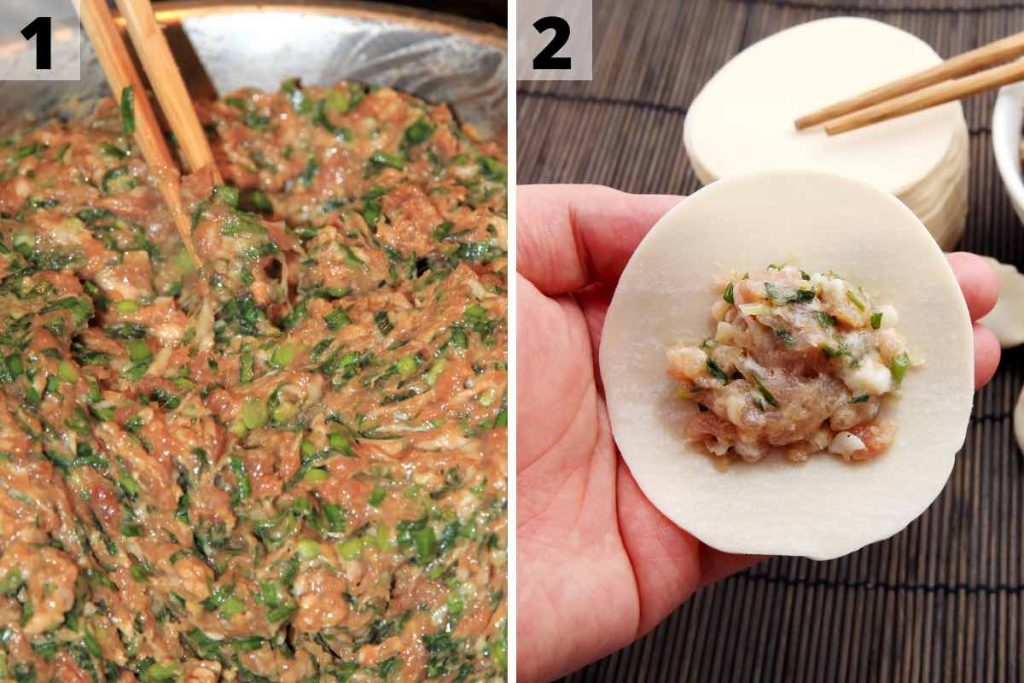
- On a floured work surface, lay out one wrapper. Spoon about 1 tablespoon of the pork filling into the center of the wrapper. Then rub water along the edges of the wrapper and bring them together. Pinch with your fingertips along the edge to seal tightly with pleats.
- Repeat the previous step to make enough peking ravioli to fill the steamer basket.
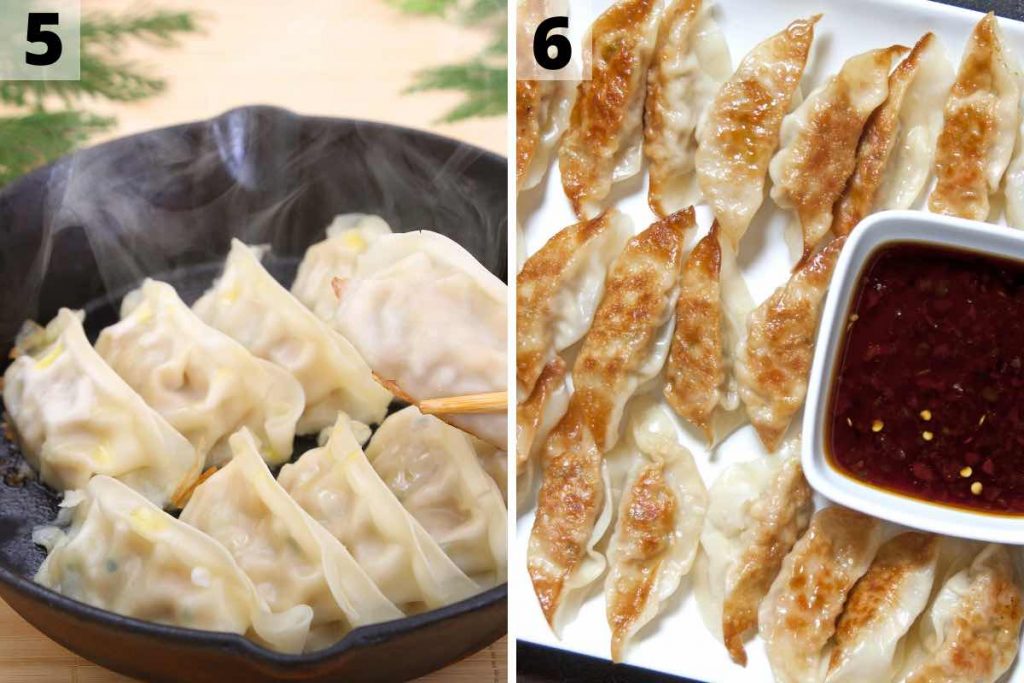
- In a large skillet add a quart of water to the pan over medium heat. Once the water is boiling, place the steamer on top and add dumplings into the steamer in one single layer. Cover and steam until cooked through, about for 7 to 10 minutes. Remove the steamer basket from the heat and lift the parchment paper to transfer the ravioli to a plate to cool.
- Repeat the previous few steps to use up the remaining filling and wrappers, cooking in batches.
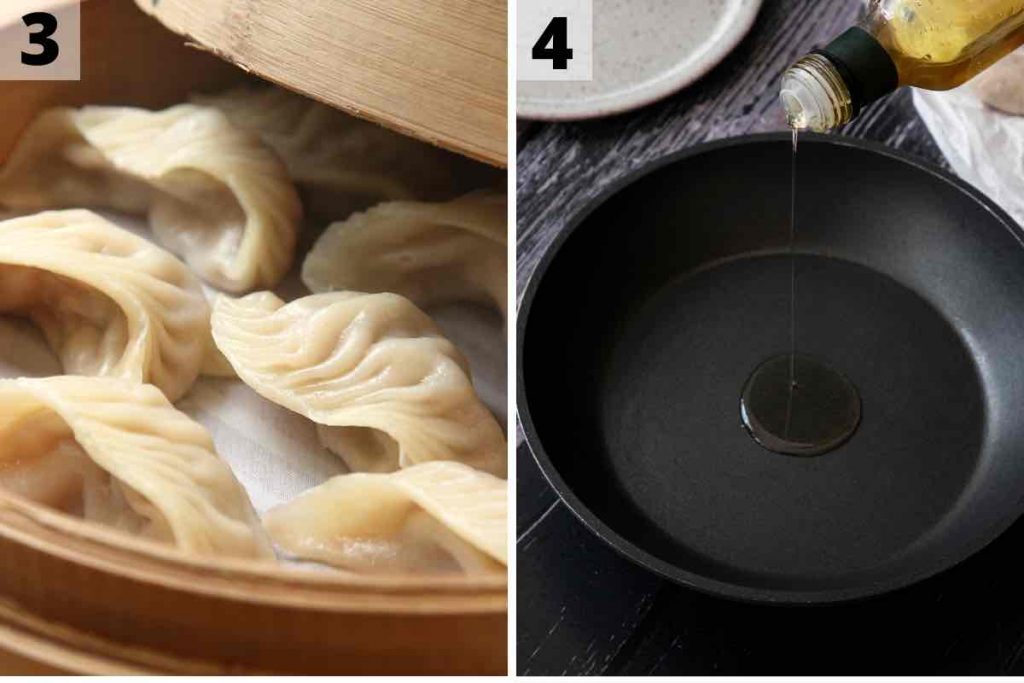
- Once the dumplings have had a chance to cool down, it’s time to make them into potstickers. Place a large nonstick skillet over medium heat and add oil. Once hot, Carefully place the ravioli in the pan using kitchen tongs or chopsticks, taking care to avoid crowding the pan.
- Fry until golden and slightly crispy, about 1 to 2 minutes per side. Remove to a paper towel-lined plate.
- Repeat for the remaining dumplings, frying in batches. Serve with your favorite dipping sauce.
Notes
- Peking Ravioli Dough: If you want to make your own wrappers, proceed as follows:
- Add 2 ½ cups all-purpose flour and a pinch of table salt to a medium bowl.
- Stir in 2/3 cup boiling water vigorously, mixing with a wooden spoon.
- Pour in 1/3 cup ice water and mix vigorously again until combined.
- Turn the dough out onto a work surface and knead for 3 to 5 minutes until smooth.
- Cut the dough in half and roll into a snake abut 1 ½ inch wide.
- Cut into 1 ½ inch long pieces and roll each one out to about 4-inches wide and about 1/8-inch thickness.
- Freezing Peking Ravioli: You can freeze uncooked ravioli for up to 3 months. Place them in an airtight container or freezer bag with each one separated by a layer of parchment to prevent sticking. You do not need to thaw frozen ravioli before steaming.
- To save time, you can use a double steamer basket to allow twice as many dumplings to steam at once.
Nutrition
Nutrition information provided is an estimate only and will vary based on ingredient brands and cooking methods used.
This post may contain affiliate links. Please read my disclosure policy.
Peking Ravioli Dipping Sauce
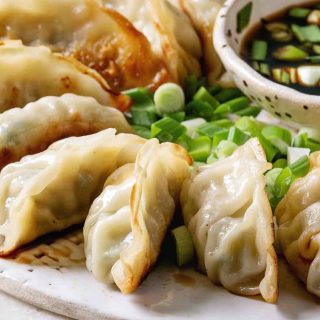
No Peking Ravioli experience is complete without the classic dipping sauce. This is my go-to recipe:
Simple Soy-Vinegar Sauce
- ¼ cup low-sodium soy sauce
- 2 tbsp rice vinegar (or white vinegar)
- 1 tsp toasted sesame oil
- ½ tsp chili oil or chili flakes (optional, for a touch of heat)
Mix all ingredients in a small bowl. Taste and adjust: if too salty, add a bit more vinegar; if too sour, add a pinch more soy sauce. This sauce keeps in the fridge for up to two weeks, so you can have it on hand anytime.
Variations
- Chicken Filling: Substitute ground chicken (1 lb) for the pork. Use the same seasonings. Chicken dumplings cook at the same rate and have a lighter flavor.
- Vegetarian (Cabbage & Tofu): Replace the pork with finely chopped napa cabbage (about 2 cups, squeezed dry), crumbled firm tofu (8 oz), minced garlic (2 cloves), and all the same seasonings.
- Spicy Version: Add 1 tsp of sriracha or chili paste to the filling mixture, and reduce soy sauce to 1 tbsp. Serve with chili oil for dipping.
- Baked Instead of Pan-Fried: After steaming, place dumplings on a parchment-lined baking sheet, brush with oil, and bake at 400°F for 8–10 minutes. They won’t have the same crispy bottom, but still delicious with fewer calories.
How to Store and Reheat Peking Ravioli
Refrigerator: Cooked dumplings keep in an airtight container for up to 3 days. To reheat, pan-fry in a bit of oil over medium heat until the bottom is crispy again, or steam for 2–3 minutes until warm.
Freezer: Uncooked dumplings freeze beautifully. Arrange them seam-side up on a baking sheet (not touching), freeze for at least 2 hours until solid, then transfer to a freezer bag. Frozen dumplings last up to 3 months. Cook from frozen—no thawing needed—just add 2–3 extra minutes to the steaming time.
Reheating tip: Always pan-fry rather than microwave to maintain crispiness. Microwaving makes the wrapper chewy and soft. Even if you steamed the dumplings originally, a quick pan-fry in a little oil restores the crispy bottom beautifully.
Izzy’s Tips
- Cornstarch is your secret weapon. That 1 tablespoon in the filling is what keeps the dumplings juicy and tender. It absorbs moisture and prevents the meat from becoming grainy or dry. Don’t skip it.
- The steam-then-fry method is essential. Steaming cooks the meat evenly; pan-frying creates the crispy exterior. If you skip steaming and just pan-fry, the meat won’t cook through.
- Don’t overfill. One tablespoon is the sweet spot. Overstuffed dumplings split during cooking and the filling leaks. The wrapper also won’t seal properly.
- Let the oil get hot before you fry. If the oil isn’t hot enough (it should shimmer), the dumplings will absorb oil and become greasy instead of crispy.
- Fresh ginger, not ground. Fresh ginger has so much more flavor and brightness. It’s worth seeking out in the produce section—you’ll taste the difference immediately.
Frequently Asked Questions
What’s the difference between Peking Ravioli and potstickers?
In Boston, there’s very little difference—they’re basically the same thing. Both are pan-fried dumplings filled with pork or other meat. The name “Peking Ravioli” is a regional Boston term created by Joyce Chen in the 1950s to appeal to Italian-American customers. Outside of New England, these would simply be called dumplings or potstickers.
Can I make the dumpling wrappers from scratch?
You absolutely can—basic wrapper dough is just flour, water, and salt. However, for a weeknight dinner, store-bought wrappers are perfectly respectable and save a huge amount of time. They taste delicious and perform great. I use store-bought wrappers every time.
How long can I freeze uncooked dumplings?
Frozen, uncooked dumplings last up to 3 months in a freezer bag. Arrange them seam-side up on a baking sheet, freeze until solid (at least 2 hours), then transfer to the bag. Cook from frozen—no thawing needed—just add 2–3 extra minutes to the steaming time.
What’s the best soy sauce to use?
I recommend low-sodium soy sauce because it gives you control over the salt level. A decent bottle from a reputable brand like Kikkoman or San-J makes a noticeable difference. If you have access to a Chinese grocery store, brands like Yamasa or Pearl River are excellent and often cheaper than supermarket versions.